The Midnight Sun In Norway 2026: Dates, Places And What To Do At 1am
North of the Arctic Circle the sun stops setting for weeks, and the strangest part is how quickly you stop noticing what time it is.
 Written with Lars Hansen, Norway Tour Packages Specialist & Experience Guide
Short answer
Midnight-sun dates vary by latitude: roughly June into early July near Bodø, late May into July around Tromsø and Lofoten, and longer farther north. Cloud and terrain can hide the sun even within the astronomical window.
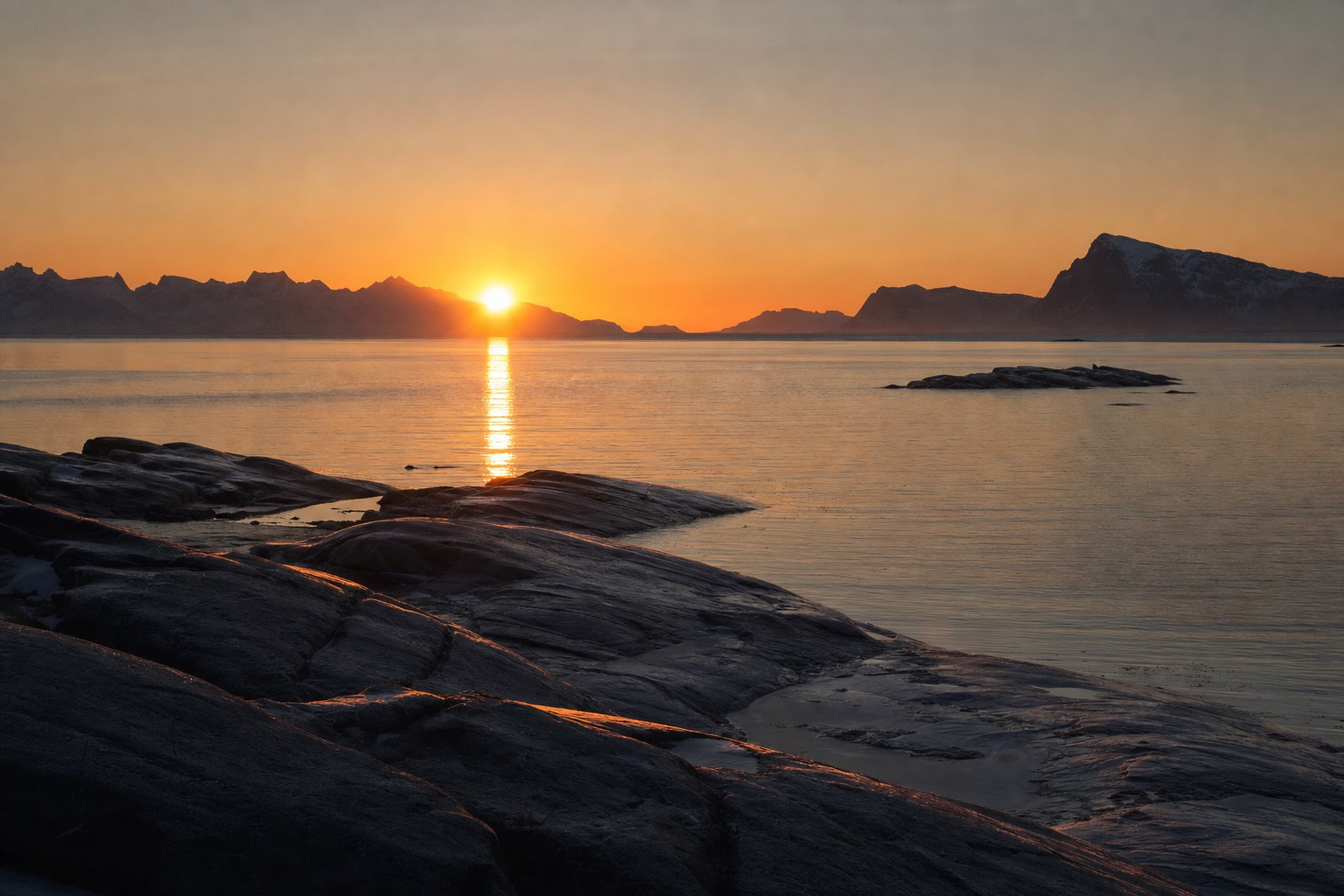
At two in the morning in Tromsø in June the light is not dawn light and it is not dusk. It is flat, coppery and slightly wrong, the kind that makes a mountain ridge look closer than it is, and it stays that way for hours. People sit outside on the harbour with the same coffee they ordered at ten. Children are still on the trampolines. The whole social clock slides sideways.
The midnight sun needs an Arctic location and the right dates. A bright evening in the southern fjords is different.
Booking choice: Explore Tromsø’s fjords on a five-hour summer night cruise with a local guide and warm drinks. Explore Tromsø Summer Evening Cruise
That effect, not a photograph of the sun touching the horizon, is what the midnight sun really is for a visitor. Below are the actual date windows for 2026, where they apply, and what the hours between midnight and four are good for.
What Is The Midnight Sun, Exactly?
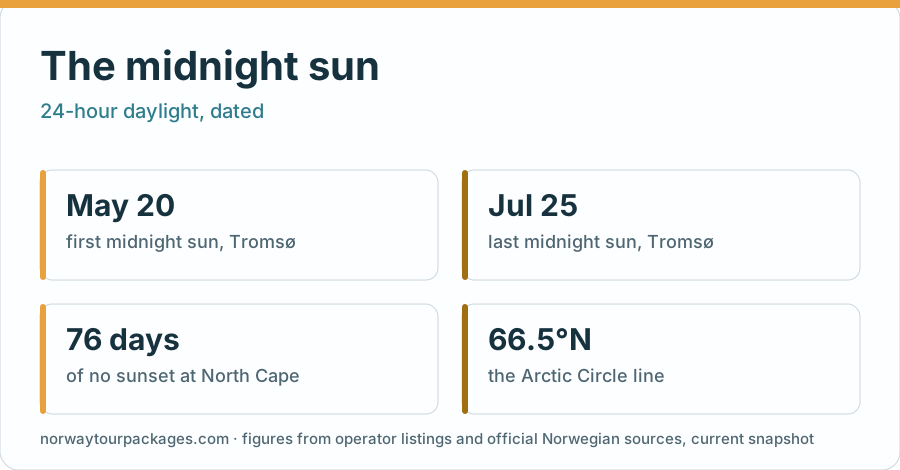
The midnight sun is the period when the sun stays above the horizon for a full 24 hours, which happens only north of the Arctic Circle at roughly 66.5 degrees north. The further north you stand, the earlier it starts and the later it ends. Below that line you get light nights instead, not true midnight sun.
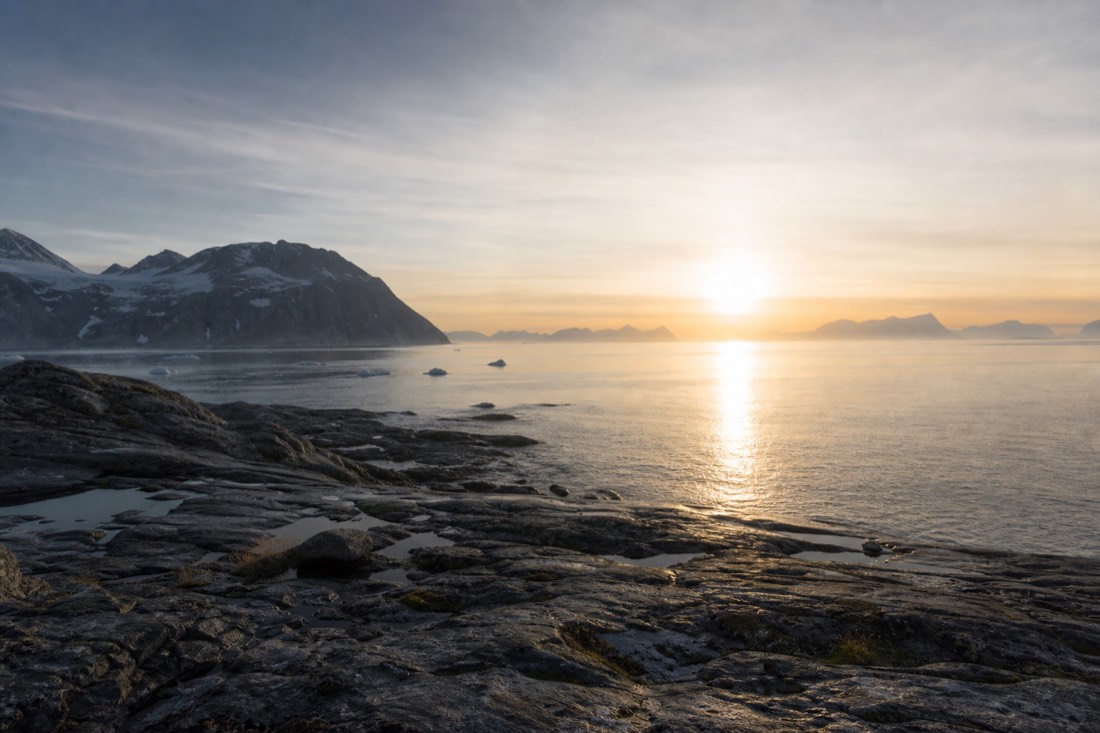
The mechanism is the Earth's axial tilt, and the practical consequence is a latitude ladder. Bodø sits barely above the line and gets about five weeks. North Cape, near the top of mainland Europe, holds the sun up for well over two months. Svalbard, far higher again, keeps it longer still, which is why the light season there dominates a summer visit as much as the polar night dominates winter.
The same tilt runs the other way in winter. In Tromsø the polar night falls between roughly 27 November and 15 January, and the mountains block direct sun from around 21 November to 21 January. Same place, opposite extreme, six months apart.
When Does The Midnight Sun Happen In 2026?
Mid-May to late July, with the exact window set by latitude. North Cape runs 14 May to 29 July, Tromsø from 20 May into the second half of July, Lofoten 28 May to 14 July, and Bodø 4 June to 8 July. Anywhere south of the Arctic Circle gets light nights only.
| Place | Approximate latitude | Midnight sun window, 2026 | Length |
|---|---|---|---|
| North Cape (Nordkapp) | 71.2 N | 14 May to 29 July | 77 days |
| Tromsø | 69.6 N | 20 May into late July | About 9 weeks |
| Lofoten Islands | 68.2 N | 28 May to 14 July | 48 days |
| Bodø | 67.3 N | 4 June to 8 July | 35 days |
| Trondheim, Bergen, Oslo | 63.4 N and south | No true midnight sun | Light nights only |
Book inside the window with a few days of margin at each end rather than on the edge, because low cloud on the northern horizon removes the effect even when the sun is technically up. Visit Norway publishes the same date ranges by destination, and the hourly cloud forecast on yr.no is the one to check on the day.
Where Should You Go To See It?
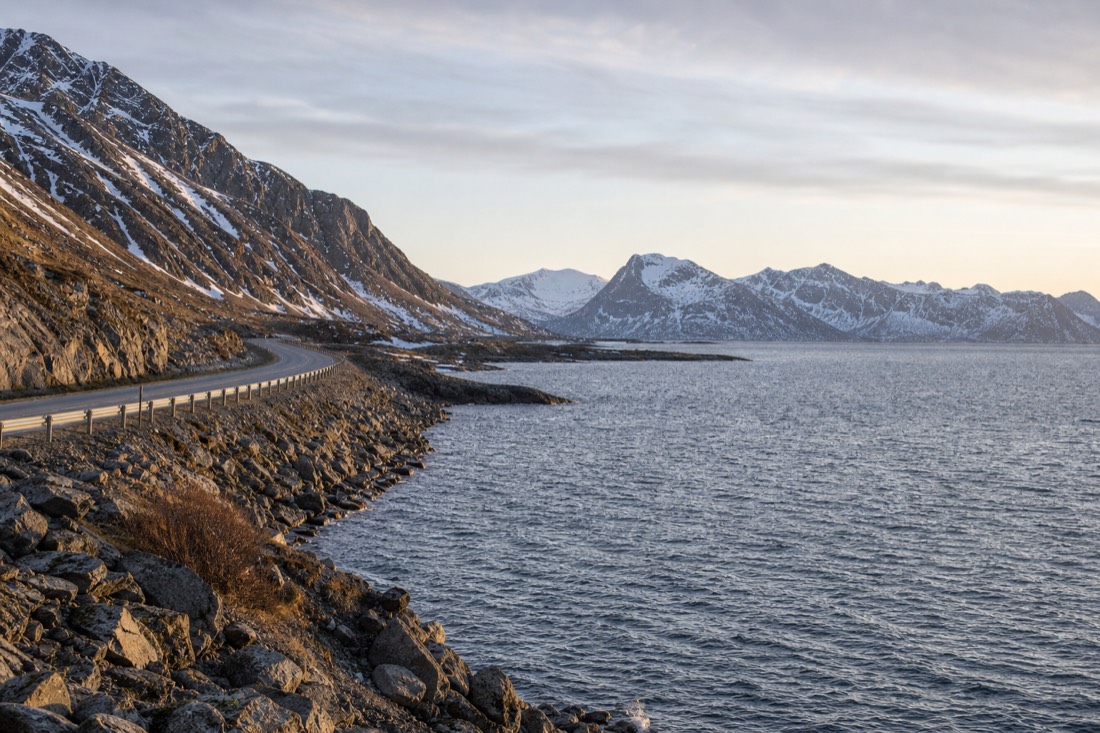
Tromsø is the easiest base: a two-hour flight from Oslo, plenty of accommodation and a cable car that runs late. Lofoten gives the most photogenic version, with peaks and red cabins lit sideways at midnight. North Cape is the longest window but the most exposed and the most crowded at the plateau.
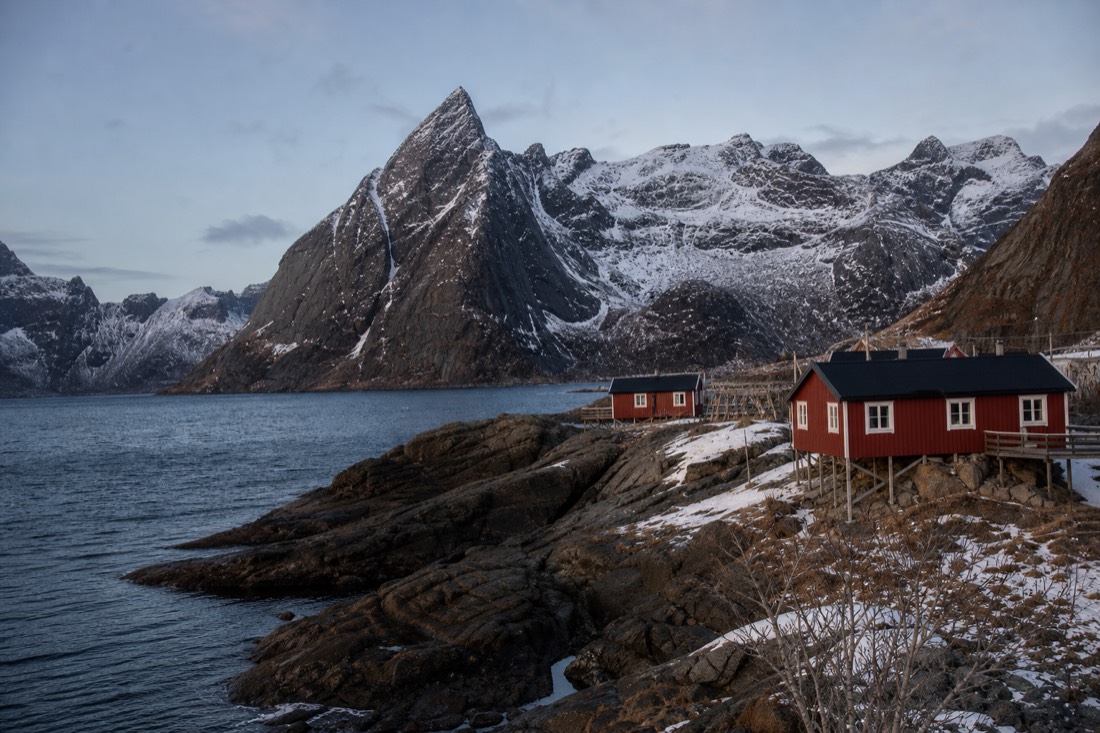
Choose on what you want to do rather than on the number of days of sun. Tromsø gives you an actual city under the light, with restaurants, a harbour and an island ridge you can reach in minutes. Lofoten gives you scenery and driving, and rewards a stay of several nights, which we cover in the Lofoten Islands guide. North Cape is a pilgrimage: a long drive or a coastal ship to a cliff plateau where the appeal is being at the end of the road.
Svalbard is the far end of the scale and a different trip entirely, with its own permits, wildlife rules and guiding requirements. Treat it as a separate journey rather than an add-on to a mainland itinerary, and read Visit Svalbard on what guided access actually involves.
Do The Fjords Get The Midnight Sun?
Not true midnight sun, no. Geirangerfjord and the western fjords sit near 62 degrees north, well south of the Arctic Circle, so the sun does set. What they get instead are long light nights in June and July where the sky never goes fully dark and evening cruises run in low golden light.
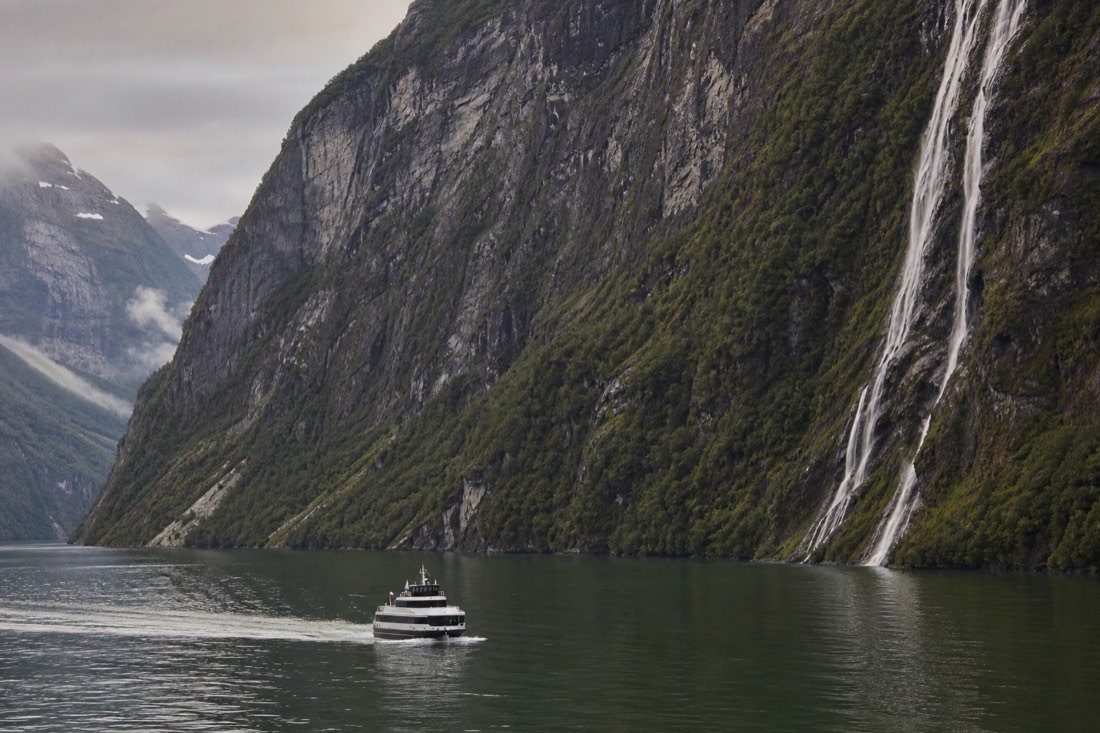
This distinction gets blurred in a lot of marketing, so let us be exact. Geirangerfjord and Nærøyfjord are the two fjord systems inscribed on the UNESCO World Heritage List as the West Norwegian Fjords, and both are spectacular in summer, but neither delivers a sun that refuses to set. What they deliver is an evening that lasts until midnight with the cliff walls still lit.
Related planning: fjord cruise options.
For the difference between the fjords themselves, including which one photographs best under that late light, our take on the prettiest fjord in Norway compares them without pretending it is a tie.
What Is There To Do At 1am?
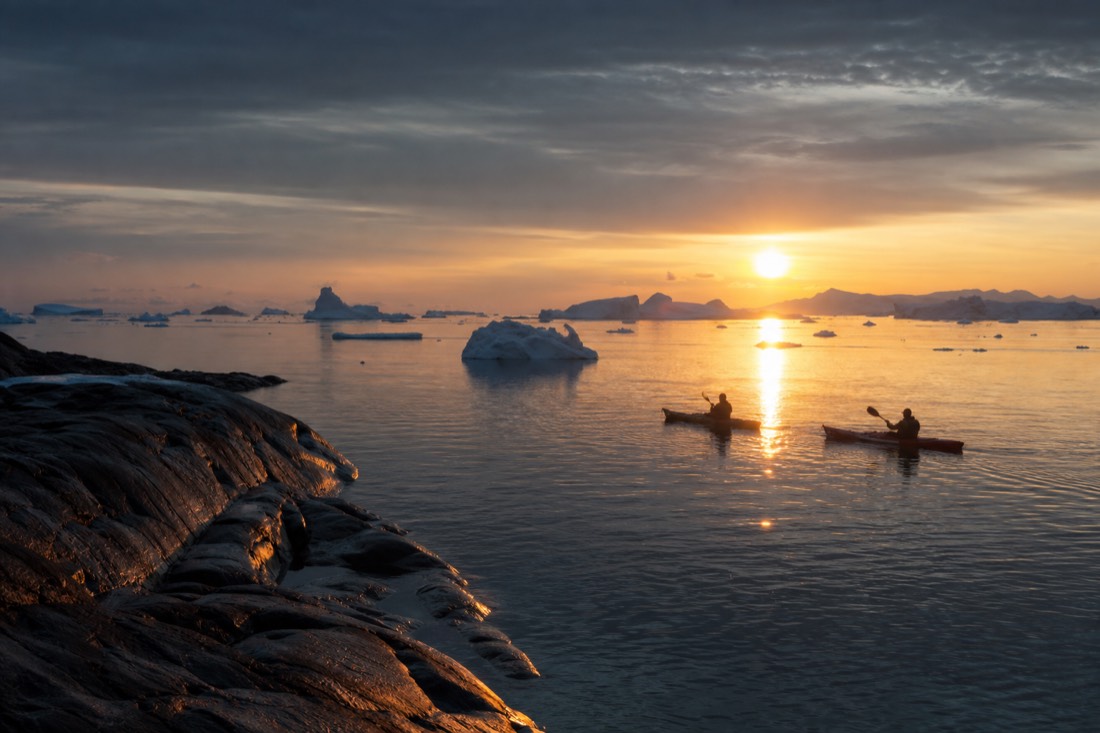
More than you would expect, because Arctic towns reorganise around the light. Midnight hikes, evening kayaking, late boat trips, football at 11pm and open cafés are all normal in June. Wind, sea state and cloud can change at any hour; a late departure does not guarantee calm water.
| Hour | What works | Where |
|---|---|---|
| 9pm to 11pm | Cable car or ridge walk while the sun is still high enough for shadows | Tromsø, Narvik |
| 11pm to 1am | Scheduled boat trips or kayaking when conditions permit | Lofoten, Tromsø, coastal fjords |
| Midnight to 2am | Photography as the sun grazes the horizon and the colour goes copper | Anywhere with a clear north-facing view |
| 2am to 4am | Summit sitting, beach walks, fishing | Lofoten beaches, North Cape plateau |
| After 4am | Sleep, badly, unless you have a good blackout blind | Your hotel room |
The one genuine warning is judgement. Without darkness as a cue, people set off on a ridge at midnight and get back at five, cold and out of water. Treat a midnight hike like a daytime hike, with the same layers and the same plan.
How Do You Sleep When It Never Gets Dark?
Bring a proper eye mask and do not rely on hotel curtains, which are often thin outside the big chains. Keep meal times normal, avoid caffeine after the early evening, and go to bed by the clock rather than by the light. Most people adjust in two or three nights.
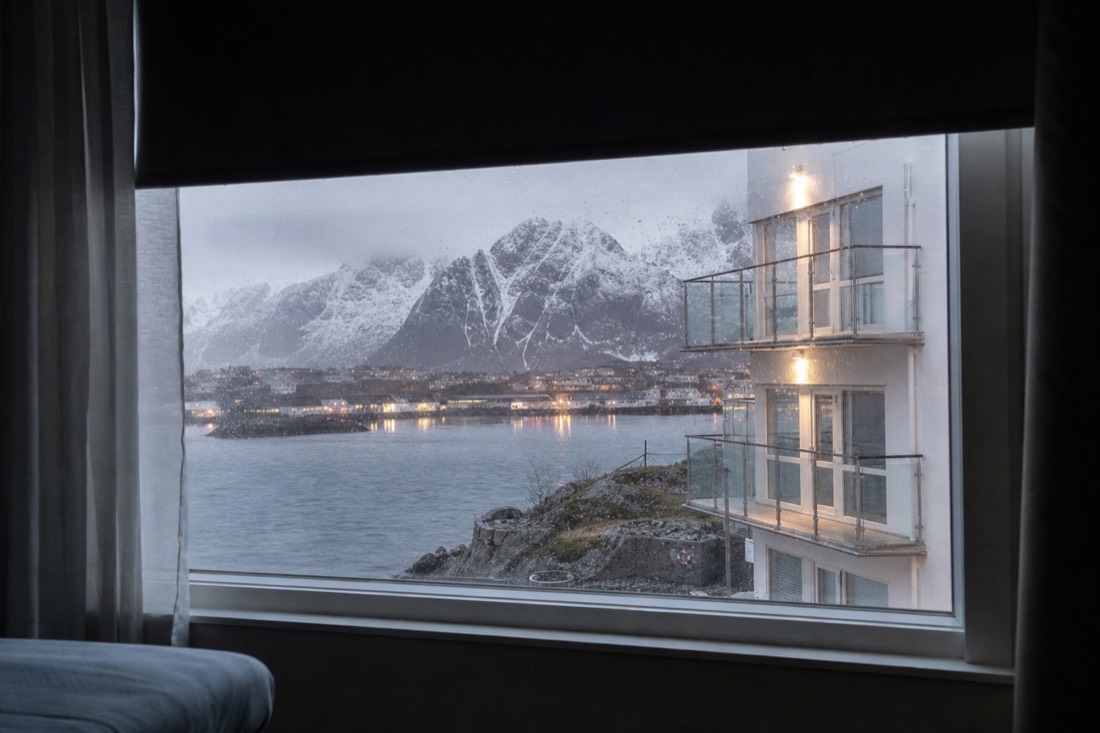
The physiology is straightforward: light suppresses melatonin, and Arctic summer supplies light at every hour. Norwegian hotels in the north generally fit blackout blinds because locals need them too, but guesthouses, cabins and Airbnbs vary a lot. An eye mask weighs nothing and solves the problem outright.
Practical extras that matter more here than elsewhere: sunglasses at 11pm are not a joke, mosquito repellent earns its place inland and in Lofoten in July, and the tap water is excellent everywhere so a refillable bottle covers the long light evenings. Tromsø's own visitor board, Visit Tromsø, keeps a summer events list that runs far later than most travellers expect.
How Bright Is It Actually At Midnight?
Bright enough to read a newspaper outdoors without any artificial light. The sun sits low rather than overhead, so the quality is closer to a long golden late-afternoon than to noon, and it circles the horizon instead of setting.
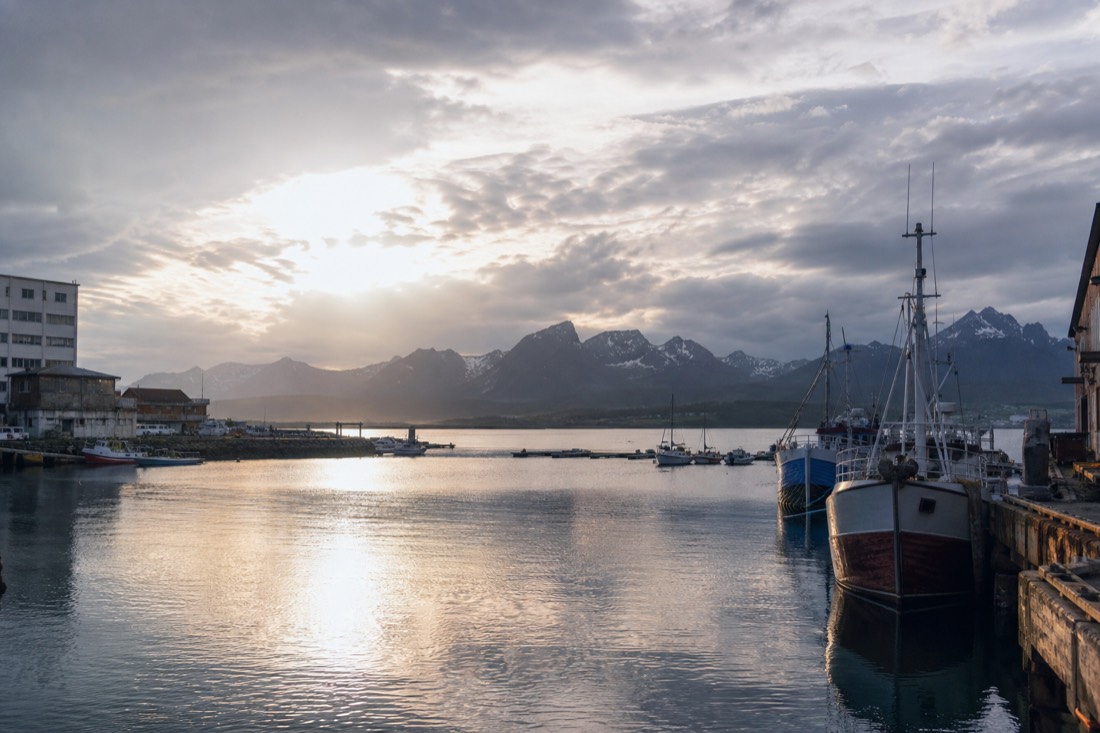
Visitors often expect something dramatic and are surprised by how ordinary it looks at first glance. The strangeness is not the brightness itself, it is that the light stops changing in the way your body expects: no dusk, no dimming, just a slow horizontal drift of shadows through the small hours.
| Hour | What the light looks like |
|---|---|
| 8pm | Ordinary afternoon light, still high |
| 10pm | Warm and low, long shadows, best for photographs |
| Midnight | Low golden light skimming the horizon |
| 2am | Similar, sun beginning to climb again |
| 4am | Back to a bright morning feel |
Adults underestimate the cumulative effect too. Two or three nights of shortened sleep stack up quietly, and by the fourth day people are irritable, hungry at odd hours and misjudging how far they can comfortably walk. Treating bedtime as a fixed commitment, rather than something decided by how light it looks outside, is the whole solution.
The edges of the season are worth knowing about as well. In the days just before and after the official window the sun dips barely below the horizon, giving hours of golden twilight instead of true darkness. Photographers often prefer it, and accommodation in late May or early August is easier to find than mid-season.
The 10pm to 2am band is why photographers travel here specifically. It is a four-hour version of the golden hour that occurs nowhere else, and it explains why so many midnight-sun activities are scheduled at hours that look absurd on a booking page.
Where Does The Midnight Sun Last Longest, And When?
The further north, the longer it runs. Tromsø has it from 20 May to 22 July in 2026, while North Cape stretches from 14 May to 29 July, giving 77 days without darkness. Svalbard runs longer still.
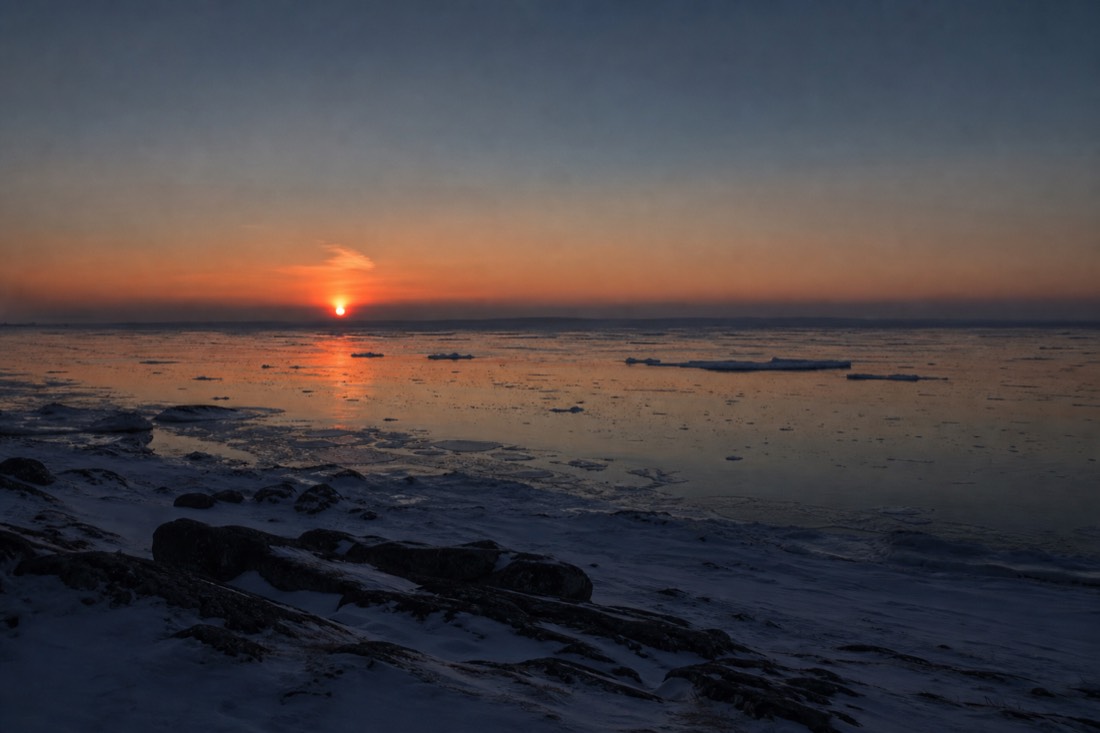
Plan the sleep strategy before you arrive rather than after the first bad night, because by then you are already several hours down and making worse decisions about it.
Flights and accommodation both peak in this window, so book earlier than you would for a shoulder-season trip. The activities themselves are usually available at short notice; the bed and the seat north are the constrained parts.
Latitude does the work here, so the further north you base yourself the longer and more reliable the effect. Tromsø is the practical compromise between duration and accessibility, which is why most midnight-sun trips are built around it rather than the more northerly options.
The dates matter because the edges of the period are not the same experience as the middle. In the last week of the window the sun grazes the horizon rather than circling well above it, which is beautiful but shorter-lived.
| Location | 2026 midnight sun period | Note |
|---|---|---|
| North Cape | 14 May to 29 July | 77 days without darkness |
| Tromsø | 20 May to 22 July | The most accessible base |
| Lofoten | Late May to mid-July | Combines with beaches and hiking |
| Svalbard | Longer than all of the above | Remote and expensive |
| Trondheim and south | No true midnight sun | Long twilight instead |
For most travellers Tromsø is the right answer, not because it has the longest window but because it has flights, hotels and boats. North Cape delivers a longer period and a much longer journey.
Why Is The Light Better At 1am Than At Midday?
Because the sun sits low rather than overhead. Low sun means long shadows, warm colour and side-lighting on the landscape, which is exactly what midday summer light in most of Europe cannot give you. It is a four-hour golden hour rather than a bright flat noon.
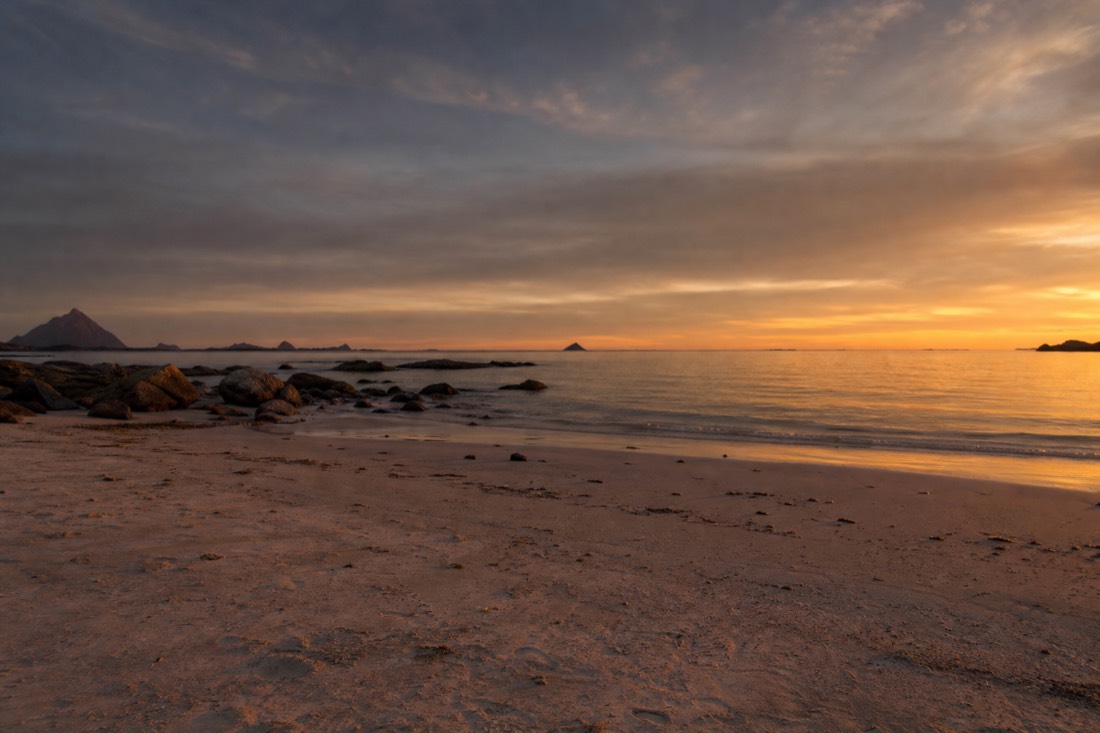
The midnight sun is not simply a longer day, it is a distinctive light. The sun circles low, so shadows stay long and everything holds a warm colour that a midday summer sky never produces.
| Activity | Why it works at 1am |
|---|---|
| Midnight boat trip | Low-angle light on the water, with traffic and weather variable |
| Cable car viewpoint | Empty, with the city lit from a low angle |
| Coastal or beach walk | Lofoten's beaches at this hour are exceptional |
| Photography | The best light of the whole day |
| Fishing | A long-standing local habit in summer |
| Sitting outside with food | Genuinely pleasant, and everyone does it |
The season also affects what else is bookable. Aurora tours do not run, but boat trips, hiking guides and photography excursions all extend deep into the evening, and many operators add late departures that exist only in these weeks.
One caution: this is when visitors overestimate themselves. It feels like late afternoon, so people set out on a walk at midnight and are surprised to be tired at 03:00 with the return still ahead.
Which Activities Run Only In The Midnight-sun Weeks?
It removes the aurora entirely and extends everything else. Boat trips, hikes and viewpoints all run far later than they could anywhere else, so the useful move is booking evening activities that would be impossible at this latitude in any other season.
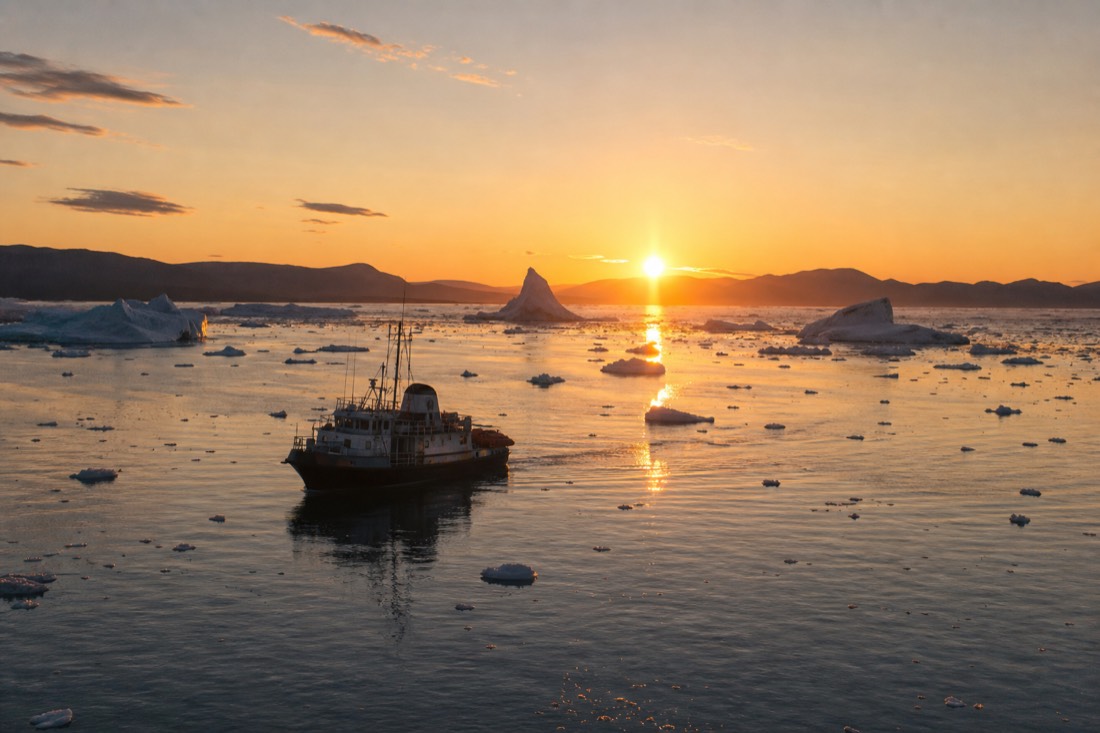
Under the midnight sun the constraint on a day is your own stamina rather than the light. That inverts normal itinerary logic: instead of racing daylight, you are choosing when to stop, and the best conditions often arrive after most visitors have gone to bed.
| Booking | Under the midnight sun | In any other season |
|---|---|---|
| Aurora tours | Not available; the sky never darkens | The signature winter booking |
| Midnight boat trips | A genuine speciality of the season | Not offered |
| Hiking | Possible at any hour, warmest light late | Daylight-limited |
| Photography tours | Late-evening departures | Blue-hour and aurora focused |
| Fjord cruises | Standard schedules, long evenings | Standard schedules, short days |
| Accommodation | Peak season, book far ahead | Easier and cheaper |
Leave flexible evenings if seeing the sun itself matters; extra bookings do not guarantee a clear horizon.
Weather still applies, which surprises people who assume constant sun means constant clear sky. The midnight sun can sit behind cloud for days at a stretch on the coast, and a booked midnight boat trip under flat grey cloud is a pleasant sail rather than the golden-light experience in the photographs. Two attempts beat one here, just as with the aurora.
The second row is the one worth building a night around. A boat trip at 11pm with the sun still above the horizon is specific to this window and to these latitudes, and it is the memory most visitors bring home from a summer Arctic trip.
One planning caution: this is peak season in the north, so the accommodation that sits closest to these late departures books out months ahead. The activity is easy to arrange late; the bed near it is not.
Midnight Sun Or Northern Lights: Which Trip Should You Book?
They are opposite seasons and you cannot combine them. Midnight sun means mid-May to late July, hiking, boats and warm layers. Aurora means late September to late March, cold, darkness and a probability game. Pick the experience first, then the month, and never expect both on one trip.
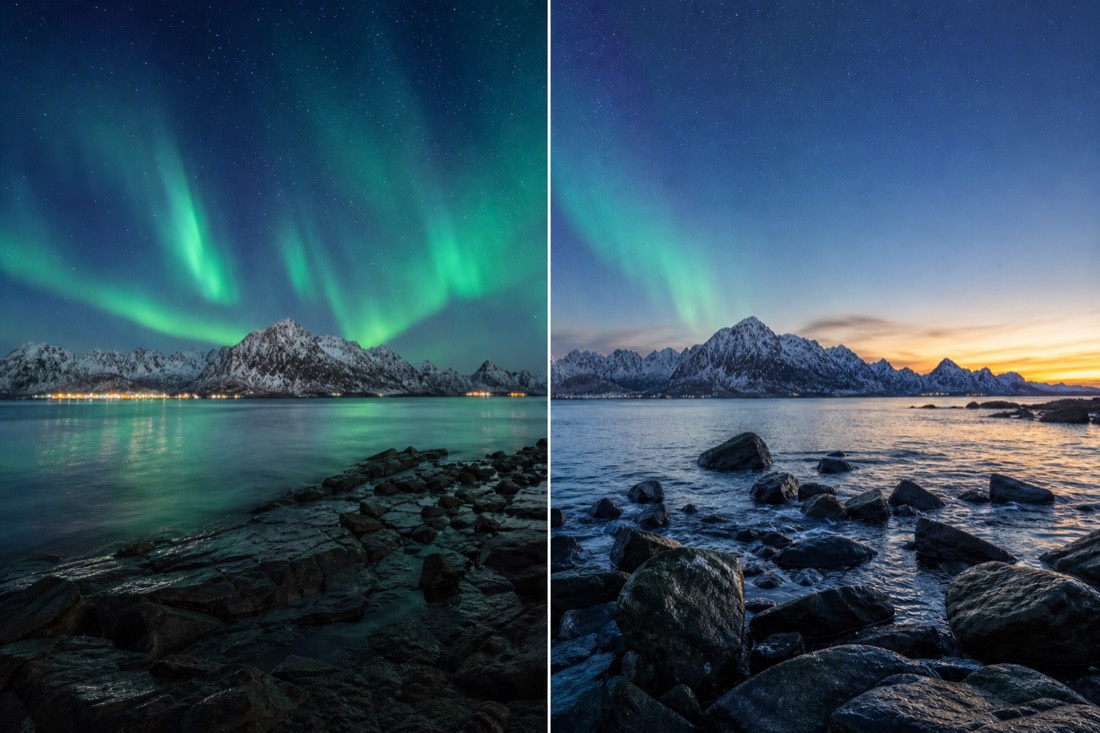
| Midnight sun trip | Aurora trip | |
|---|---|---|
| Season | Mid-May to late July | Late September to late March or early April |
| Where | Tromsø, Lofoten, North Cape, Svalbard | Tromsø, Alta, inland Finnmark |
| Guaranteed? | Astronomical daylight window only; cloud and terrain can hide the sun | No, never guaranteed on any single night |
| Nights needed | One is enough for the effect | Three or four, for probability |
| Typical activities | Hiking, kayaking, late cruises, road trips | Chase tours, dog sledding, whale watching |
If you are still deciding which half of the year to take, the winter case is made in our guide to things to do in Tromsø, which covers both seasons in the same city and shows how differently it behaves.
Choose Your Norway Experience
Tromsø: Summer Evening Cruise with Activities. Sail through Tromsø’s fjords in the summer evening with a local guide and warm drinks. Have a date in mind? Check it before arranging the rest of your Norway trip.
5 hours. Five hours. Meet outside Polar Adventures 15 minutes early; hotel pickup is excluded. Midnight sun depends on the exact date and weather. Published age bands omit ages 13–16, so those ages need operator confirmation.
Choose a date to see scheduled departures. Final availability and price are confirmed on Viator.
No verified experience fits those requirements. Adjust your choices, or keep the independent plan described above.
Compare Options And Fit Your Plans
General recommendation until you choose. Choose the city where the activity starts, not your arrival airport. Month filters describe the experience’s season, not confirmed departures. Allow travel to the meeting point as well as the listed duration. Confirm your exact option and access needs when booking.
- Tromsø Northern Lights Chase We Go Where The Lights Appear: 9 hours. Follow a guide and photographer away from Tromsø in search of clearer northern-lights skies. Choose the English Classic coach option shown by this schedule. Six to nine hours; up to 45 guests, toilet, photographer and hot drinks. Arrive 30 minutes before departure at your ticket meeting point. Thermal suits, boots and meals depend on the option; confirm before packing. Aurora sightings are not guaranteed.