The 10-Day Norway Itinerary: Fjords Plus The Arctic North
Ten days is the first trip length where Norway stops forcing you to choose between the fjords and the Arctic.
 Written with Lars Hansen, Norway Tour Packages Specialist & Experience Guide
Short answer
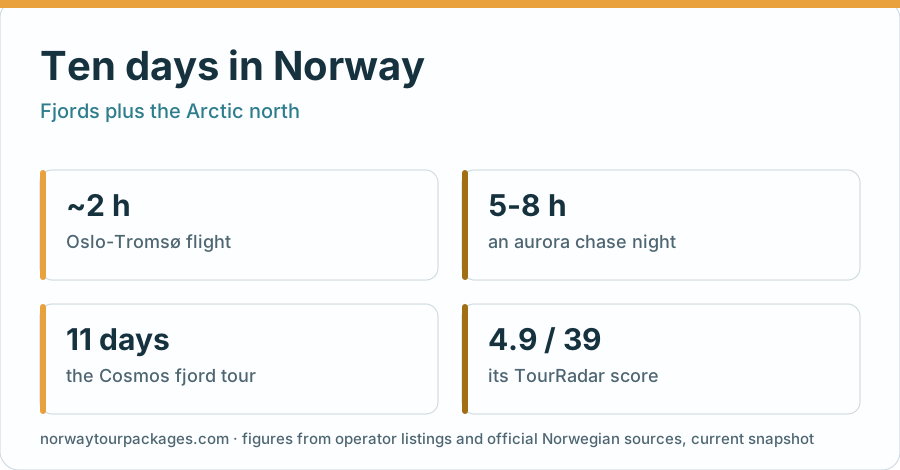
Ten days can combine two Oslo nights, three nights around Bergen and the western fjords, and three Tromsø nights, with the remaining night allocated to the actual travel plan. Allow a separate northbound flight journey and airport time; check direct versus connecting services.
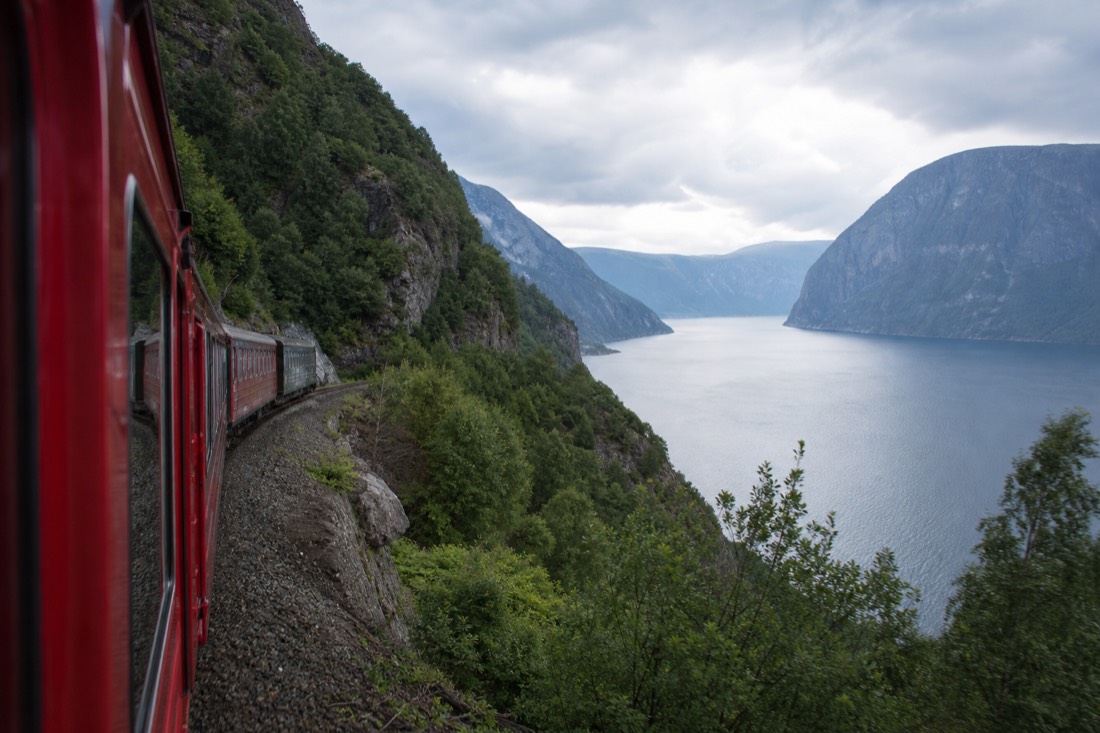
Somewhere west of Finse, the Bergen Railway runs past snow patches in July. Passengers who boarded in Oslo in shirtsleeves end up at 1,222 metres looking at a frozen lake, and four hours later the same train drops them into a rainy city of wooden wharf buildings. That is the real argument for ten days here. Norway changes character faster than the map suggests, and ten days is the first length that lets you feel two of those characters properly instead of skimming five.
A ten-day plan needs both a realistic route and a clear finishing city. Compare a complete guided trip with individual days on your own itinerary.
Booking choice: For a guided autumn or late-winter route, compare the ten-day Oslo-to-Tromsø Globus trip. Internal airfare and optional aurora excursions cost extra. Explore Fjords And Northern Lights Package
What Does A Realistic 10-day Norway Route Look Like?
The route that works for most first-time visitors is Oslo for two nights, the Bergen Railway west, three nights around Bergen and the fjords, then a short flight north to Tromsø for three. It covers a UNESCO fjord landscape and the Arctic with one northbound flight journey and time reserved for transfers.
The shape matters more than the individual stops. Norway punishes zigzagging: the country is long, the roads follow water rather than straight lines, and every extra base costs you half a day in packing and moving. A single west-to-north arc avoids backtracking entirely, because you fly out of Tromsø rather than returning to Oslo overland.
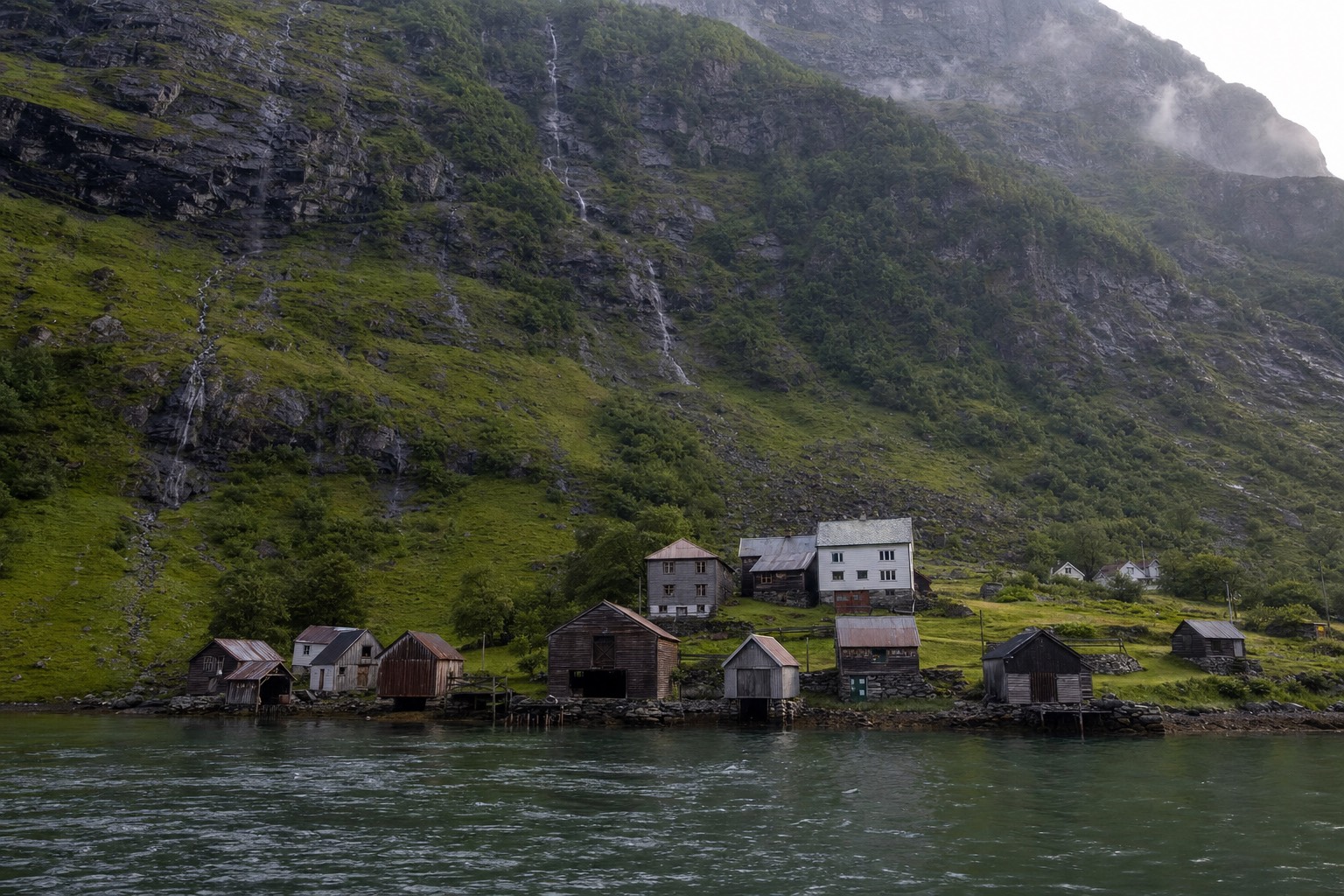
Spend the western fjord days slowly; Geiranger requires a separate detour and is not part of this Bergen-based route. The Nærøyfjord and Geirangerfjord are the two arms inscribed by UNESCO as the West Norwegian Fjords, and they reward an unhurried boat day far more than a drive-by photo stop.
| Day | Base | Main move | Why it earns the day |
|---|---|---|---|
| 1-2 | Oslo | Arrive, city on foot | Opera roof, Bygdøy museums, jet lag absorbed cheaply |
| 3 | Train to Bergen | Bergensbanen, 6.5-7.5 hours | The ride is the sight, not just transport |
| 4 | Bergen | Bryggen, funicular, fish market | Weather buffer built in on purpose |
| 5 | Bergen | Fjord boat day | Mostraumen or a Nærøyfjord run |
| 6 | Flåm area | Flåm Railway plus Stegastein | 866 m of descent in about an hour |
| 7 | Fly north | Bergen to Tromsø via Oslo | Travel day, arrive for dinner |
| 8-9 | Tromsø | Arctic activities | Aurora chase, whales or huskies by season |
| 10 | Tromsø | Cable car, museums, fly home | Buffer against weather cancellations |
Notice day 4 and day 10. Both are deliberate slack. Norwegian weather cancels boats and aurora chases without much warning, and a ten-day plan with zero float turns one bad forecast into a ruined trip.
How Should You Split The Days Between The Fjords And The Arctic?
Four to five days in the fjord west and three to four in the Arctic north is the split that works in both seasons. Summer favours the fjords, because the Arctic light is constant and the aurora is off. Winter tilts the other way, since the dark months are when Tromsø is at its strongest.
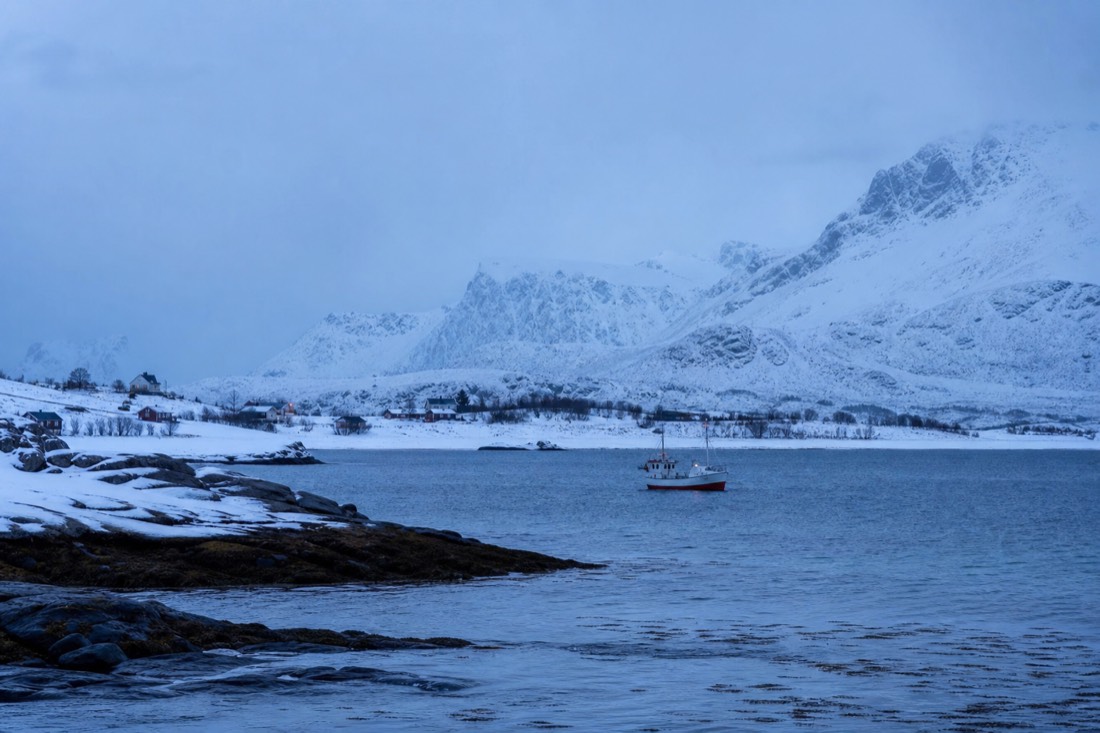
The seasonal swing is not a matter of taste. Aurora season runs from late September to late March or early April, and the statistically strongest months are March and April plus September and October, around the equinoxes. Tromsø's polar night, when the sun stays below the horizon, sits roughly between 27 November and 15 January, with the surrounding mountains blocking direct sun from about 21 November to 21 January. Midnight sun runs late May to late July.
So a June trip gives you the fjords at their greenest and Tromsø under a sun that never sets, which is strange and worth seeing, but no aurora at all. A February trip flips it. If you want both green fjords and dark skies, late September is the narrow window where the west is still open and the north has already gone dark enough.
| Season | Fjord days | Arctic days | What you actually get north |
|---|---|---|---|
| Jun to mid-Aug | 5 | 3 | Midnight sun, whale-free waters, hiking |
| Late Sep to Oct | 4 | 4 | Autumn colour plus early aurora nights |
| Nov to Jan | 3 | 5 | Polar night, whales offshore, husky season |
| Feb to Mar | 4 | 4 | Snow, long blue hours, strong aurora odds |
The aurora is never guaranteed, whatever an operator's marketing implies. What operators can control is mobility, and the good ones will drive several hours to find a hole in the cloud. Our fuller seasonal breakdown lives in the best time to visit Norway guide, and the winter-specific version sits in Norway in winter.
Do You Need Internal Flights, And Which Ones?
Yes, one. Driving or training from Bergen to Tromsø eats two full days each way, which a ten-day trip cannot absorb. The shortest Oslo to Tromsø direct flight is one hour fifty minutes, and Bergen-to-Tromsø flight options vary by date; add airport travel, check-in and any connection time to the advertised flight duration.
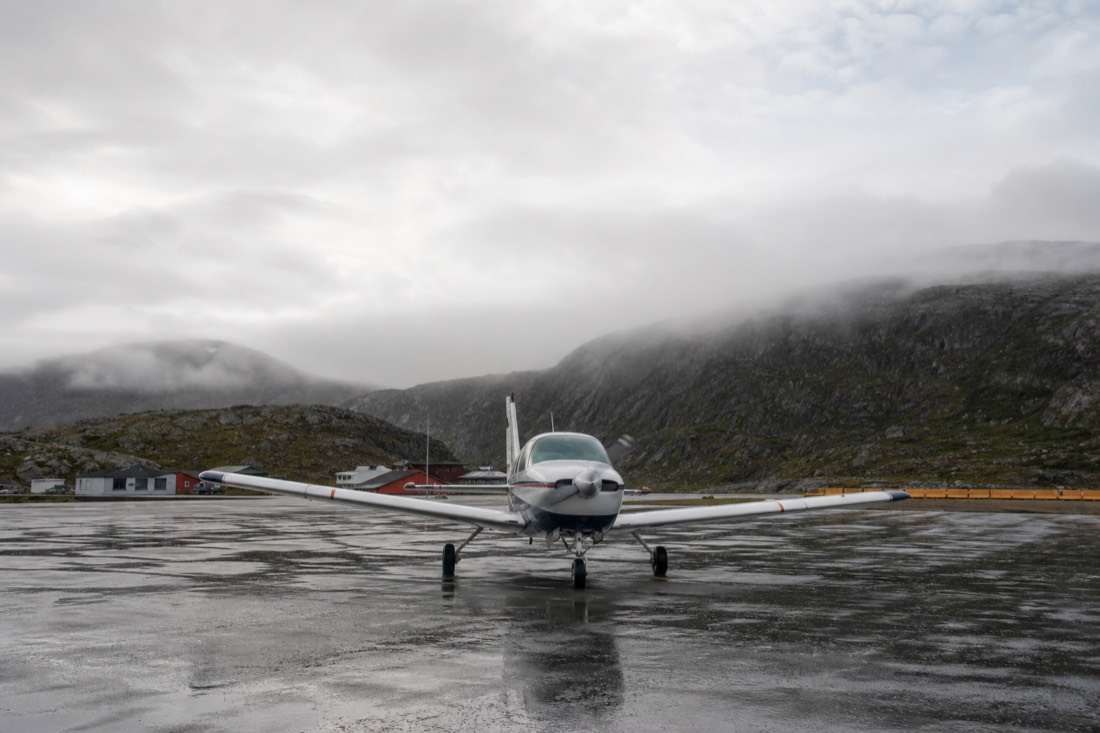
The distance is the point people underestimate. Tromsø sits well inside the Arctic Circle while Bergen is at the latitude of the Shetlands, and the coastal road between them is a chain of ferries. The Hurtigruten coastal ship covers it beautifully over several days, but that is a different trip.
| Leg | Typical time | Notes |
|---|---|---|
| Oslo to Bergen, train | 6.5 to 7.5 hours | Run by Vy; book early for the cheap fares |
| Oslo to Tromsø, direct flight | 1h 50m at fastest | Several daily departures year-round |
| Bergen to Tromsø, one stop | About 3.5 hours total | Almost always via Oslo |
| Bergen to Flåm, boat and bus | 5 to 6 hours | Scenic, slower, part of the experience |
Book the internal flight before the hotels. Norwegian domestic fares behave like any short-haul market, and the difference between a fare booked two months out and one booked two weeks out is often larger than a hotel night. Keep at least three hours between your Tromsø arrival and any evening activity, because winter weather delays northbound flights regularly.
Can You Do All Ten Days Without Renting A Car?
Comfortably, yes. The fjord core is served by trains, express boats and coach connections that were built for exactly this route, and Tromsø activities have product-specific meeting points; many do not include hotel pickup. A car only pays for itself if you plan to chase mountain passes like Trollstigen or drive the Atlantic Road.
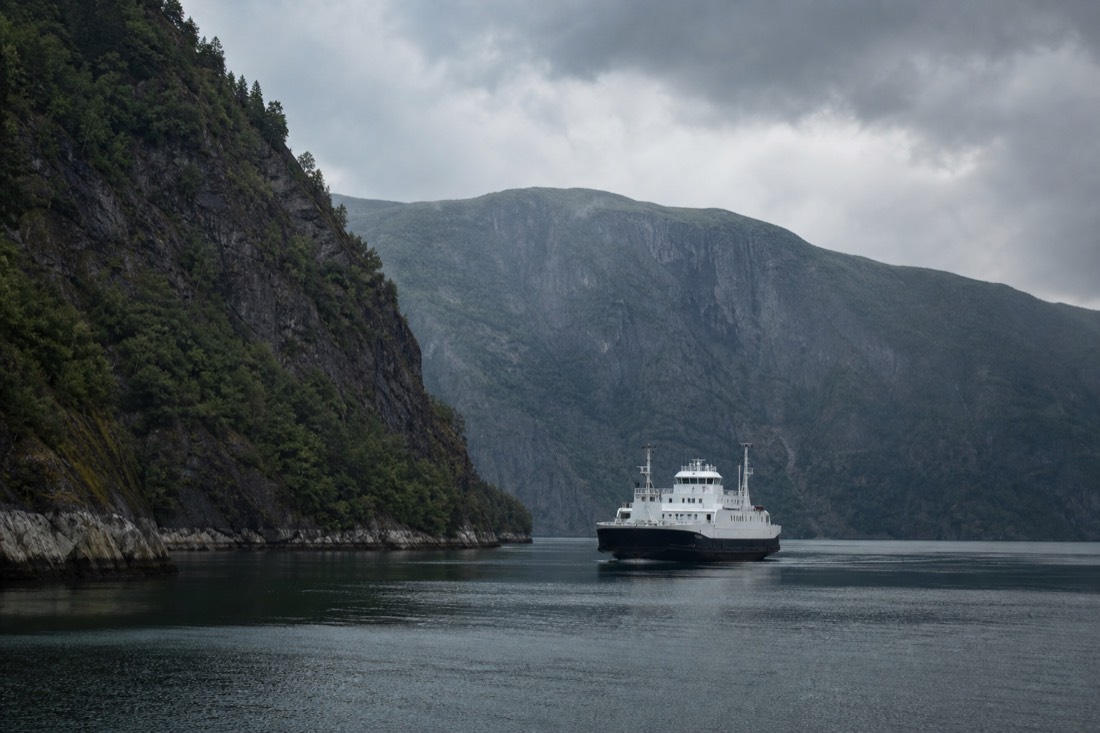
The self-guided ticket bundle sold as Norway in a Nutshell is the shortcut here. It is a Fjord Tours package that chains the Bergen line, the Flåm Railway, a Nærøyfjord cruise and the Voss–Gudvangen bus into one booking, and it runs year-round. You can assemble exactly the same legs yourself through Vy and Norway's Best, often for a little less, at the cost of an evening's admin. We compare both approaches in the DIY or guided nutshell breakdown.
The Flåm Railway itself is the piece nobody skips. Operated by Flåm Utvikling under Vy, it climbs 20.2 km from Flåm to Myrdal, covering 866 metres of height with a maximum gradient of 5.5 percent, in about an hour.
| Leg | Car-free option | Roughly |
|---|---|---|
| Oslo to Bergen | Bergensbanen train | 6.5-7.5 h |
| Bergen to Flåm | Express boat on Sognefjord and Aurlandsfjord; Nærøyfjord is a separate arm | 5-6 h |
| Flåm to Myrdal | Flåm Railway, 20.2 km | 1 h |
| Geiranger access | Ålesund bus plus fjord cruise | Half day |
| Tromsø activities | Central meeting point or specified pickup | Check the exact product |
If you do rent, know that Trollstigen is seasonal. It reopened on 29 April 2026 with seasonal and temporary closures still possible. The road-based version of this trip is laid out in our Norway road trip itinerary.
What Does Ten Days In Norway Actually Cost?
Budget roughly 180 to 260 euros per person per day for a mid-range independent trip, excluding international flights. Accommodation and the one internal flight dominate. Guided multi-day packages often land inside that band once hotels, transfers and several excursions are counted together rather than booked piecemeal.
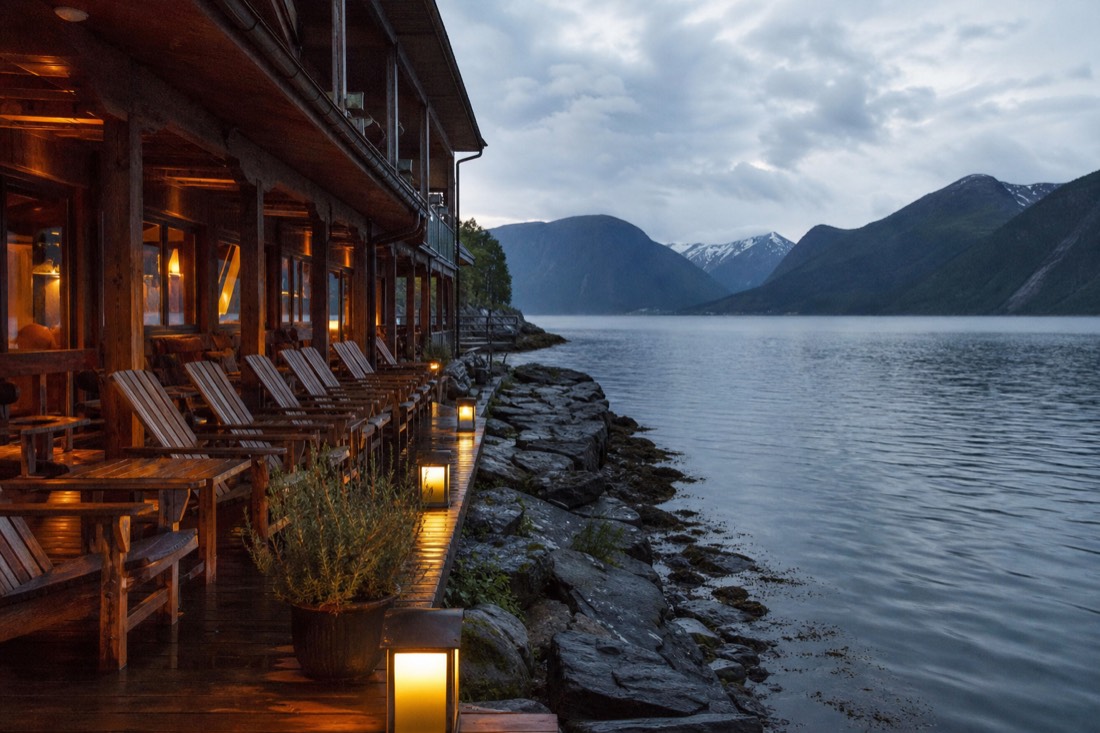
Norway is expensive in predictable ways and cheap in a few surprising ones. Tap water is excellent everywhere and free, cards and Apple Pay work almost universally, and tipping is optional rather than expected. What costs money is a bed and a boat seat.
| Style | Per person per day | What that buys |
|---|---|---|
| Lean independent | 110-150 EUR | Hostels and guesthouses, self-catering, rail passes |
| Mid-range independent | 180-260 EUR | 3-star hotels, one paid excursion most days |
| Guided multi-day | Varies by operator | Hotels, transfers, guiding and most excursions bundled |
| Premium | 350 EUR and up | 4-star hotels, private transfers, boutique fjord lodges |
The detailed line-item version, including what a fjord cruise and an aurora chase each add, is in our Norway cost guide.
How Much Of A Ten-day Trip Disappears Into Transfers?
About two and a half days of a ten-day trip, if you plan it well. Arrival and departure take most of two days, the Bergen Line takes one that is worth having, and a flight north costs half a day around it. Every additional move comes out of the same budget.
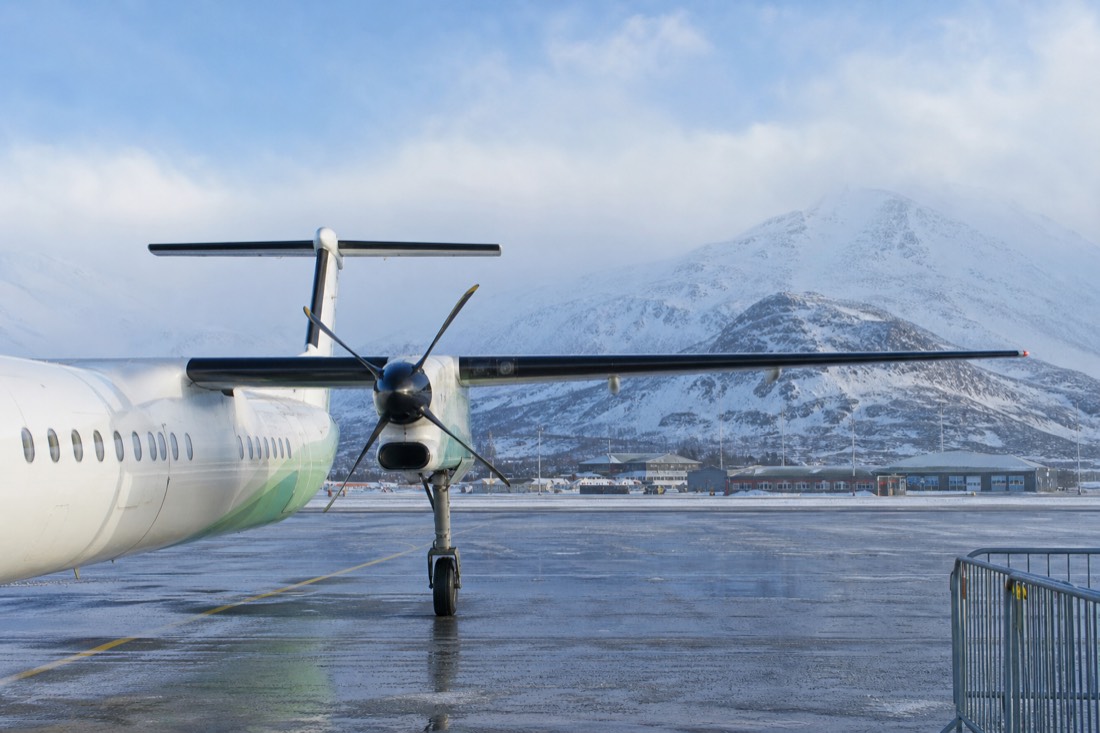
The temptation on a ten-day trip is to add Lofoten by air on top of Tromsø, turning the itinerary into a series of airports. Sometimes that is right, particularly for photographers with fixed targets, but for most travellers the better use of those hours is depth in one Arctic base.
| Move | Time | Verdict on a 10-day trip |
|---|---|---|
| Oslo to Tromsø, direct | From 1h50m | Yes, this is the one flight worth taking |
| Bergen to Tromsø | Usually via Oslo | Fine, but check the connection time |
| Tromsø to Lofoten by air | Short hop plus transfers | Only if Lofoten is a specific goal |
| Bodø to Lofoten ferry | Half a day | Scenic, slow, best with a car |
| Oslo to Bergen by train | 6.5-7.5 hours | Keep it: this is scenery, not transit |
| Any third internal flight | Half a day gone | Almost never worth it |
Norway recorded 40.6 million guest nights in commercial accommodation in 2025, up 5.2 percent year on year, so the practical planning consequence is booking earlier than you would have five years ago, especially on the Arctic legs in aurora season.
Where Should The Slack In A Ten-day Trip Sit?
Put your buffer in the Arctic, not the fjords. Fjord cruises can also be disrupted by weather; leave flexibility wherever an outing matters to you. Aurora and whale trips depend on conditions, so a bad night costs you the experience unless you have another night in hand.
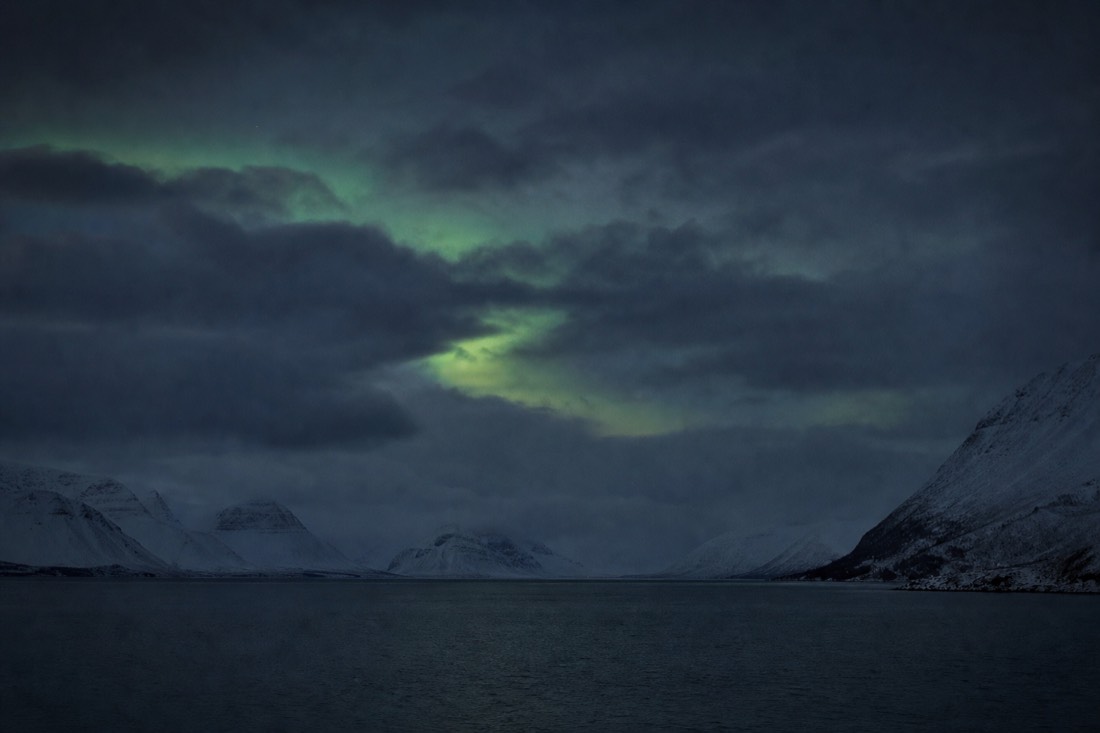
This is the structural insight that separates a well-built ten-day Norway trip from a fragile one. The itinerary should not be evenly resilient; it should be resilient exactly where the weather can take something away permanently.
| Element | Weather risk | Buffer needed |
|---|---|---|
| Bergen fjord cruise | Low; sails year-round in most weather | Leave practical transfer margin |
| Flåm Railway | Low; runs year-round | Leave practical transfer margin |
| Aurora | High; cloud decides everything | Two to three nights |
| Whale watching, late Oct to Jan | Moderate; sea state can cancel | A spare day if possible |
| Mountain road scenery | Seasonal, not daily | Check pass status before committing |
| City days | Leave practical transfer margin | These are your shock absorbers |
Read that table as an instruction to front-load the Arctic. Arriving in Tromsø with three nights and using the first for an aurora attempt gives you two more chances; arriving with two nights and saving the attempt for the last one gives you a single roll of the dice.
What Does Lars Change About A Ten-day Plan When It Is A Winter Trip?
He leaves flexible nights within the Tromsø stay. Once you fly south, an Oslo city day cannot replace a missed Tromsø evening without changing flights and hotels.
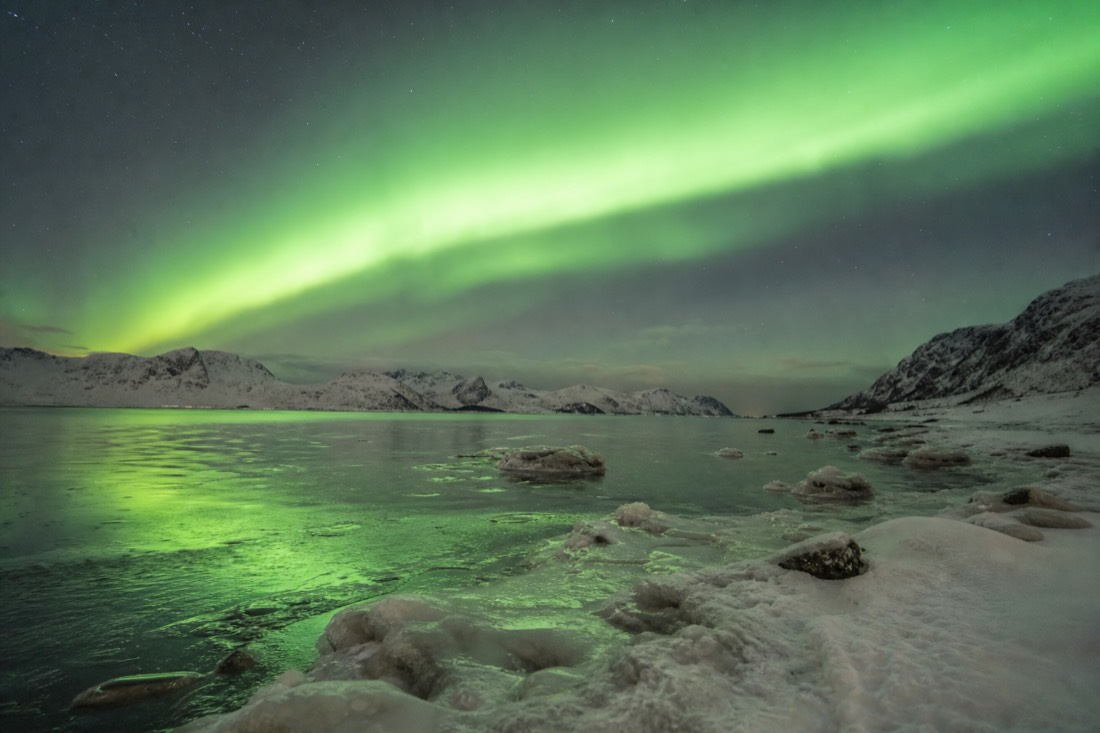
Summer travel also needs realistic connections and weather flexibility. The winter version has one weather-dependent centrepiece, and sequencing is the only lever that improves the odds without adding days.
| Element | Summer sequencing | Winter sequencing |
|---|---|---|
| Arctic leg | Anywhere in the trip | Early, so later nights stay in reserve |
| Aurora attempts | Not applicable | Spread across three or more nights |
| Fjord cruise | Any day; sails year-round | Any day; still sails year-round |
| Mountain road scenery | Central to the route | Removed; passes are closed |
| City days | Interleaved | Held at the end as weather buffer |
| Whale watching | Not in season | Late Oct to Jan, needs a spare day |
Read the last two rows together. Indoor city visits are useful backup options in a Norwegian winter itinerary, which makes them the right shock absorber to keep in hand rather than the thing to get out of the way first.
Should You Add Lofoten Or Slow Down Instead?
Add Lofoten only if the archipelago is a specific goal and you accept losing most of a day to get there. Otherwise, use the time to slow the fjord section or add nights in Tromsø, where the aurora odds improve with every extra evening.
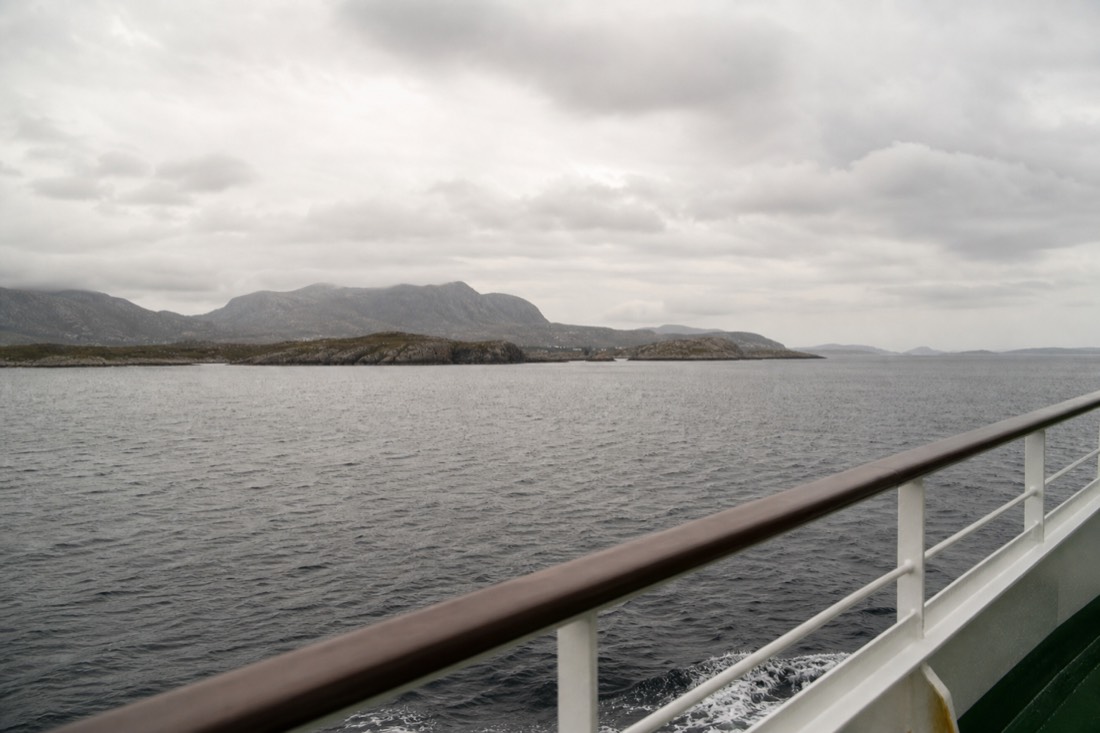
This is the central decision on a ten-day trip, and it is genuinely close. Lofoten is spectacular and awkward to reach; more nights in one place are less exciting on paper and usually produce a better trip.
| Option | What it costs | What it gives |
|---|---|---|
| Add Lofoten by air | Most of a day each way, plus a car | The archipelago, and the best beaches in Norway |
| Add nights in Tromsø | Nothing extra in transit | More aurora attempts, whales, huskies |
| Slow the fjord section | Nothing in transit | Flåm overnight, quieter villages, weather margin |
| Add a coastal voyage leg | A fixed schedule to work around | Coastline you cannot see any other way |
If it is your first Norway trip and the aurora is the reason you came, the second row wins almost every time. Lofoten rewards a trip built around it rather than a detour bolted onto one.
When Should You Hand The Ten Days To A Guided Operator?
Hand it over when you want the internal flight, the fjord hotels and the Arctic excursions coordinated by someone who has run the route before. Guided trips of ten to eleven days cover the same Oslo, fjords and north arc, and the operator coordinates changes within the booked itinerary and its terms.
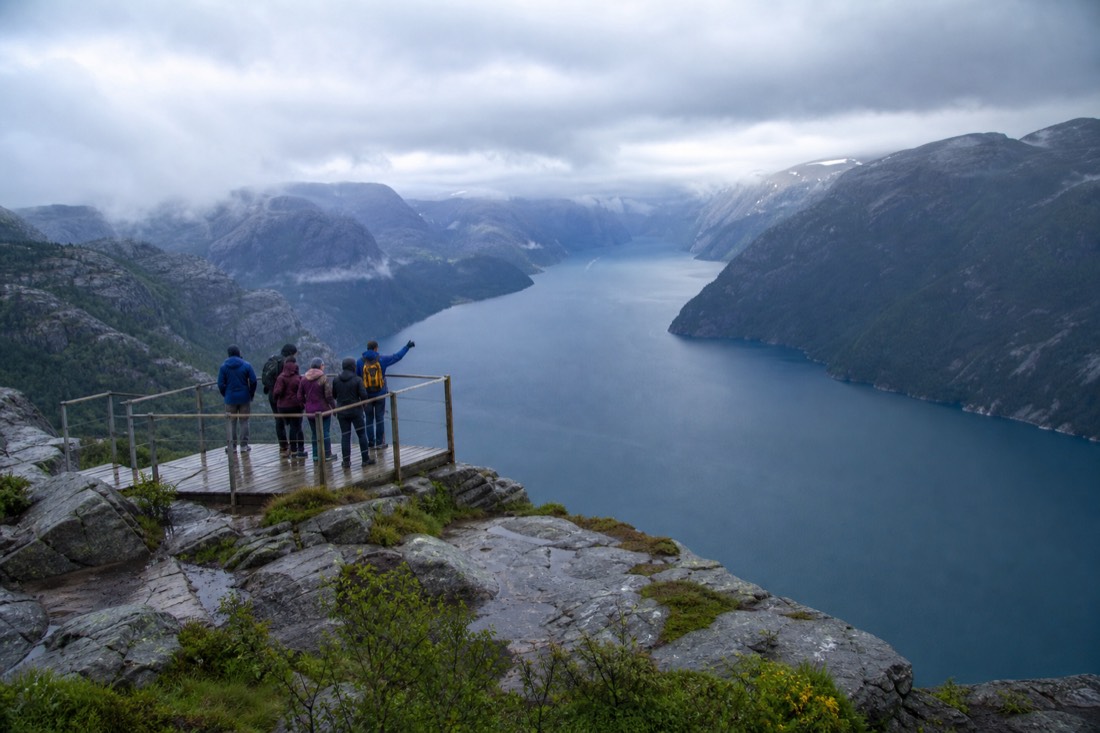
The case for guided here is narrower than operators suggest, and stronger than independent travellers admit. If your ten days fall in shoulder season, when boat schedules thin out and roads open unpredictably, a package removes a genuine planning burden. If you are travelling in July with fixed hotel bookings, you probably do not need one.
Related planning: multi-day Norway packages.
One last piece of arithmetic. Ten days sounds generous until you subtract two travel days at either end and one weather buffer, which leaves seven working days. That is why the route above has only four bases. Every extra stop you add comes out of the days you actually spend looking at something. If you are working with less time, the seven-day version drops the Arctic leg rather than compressing it, which is the honest trade. And if you have not fixed your dates yet, read the seasonal notes before booking flights, because in Norway the calendar decides more of the trip than the itinerary does.
Choose Your Norway Experience
Globus Norwegian Fjords Escape With Northern Lights. Follow a guided 10-day route from Oslo through Flåm and Bergen to Tromsø. Have a date in mind? Check it before arranging the rest of your Norway trip.
10 days. Ends in Tromsø, not Oslo. Accommodation and English guiding are listed. Internal airfare is charged separately from the displayed base price; confirm the exact connection. The aurora excursion and fjord cruise are optional extras; sightings are not guaranteed.
Choose your date and review the final options on the booking page.
Check Your Date For Fjords And Northern Lights PackageNo verified experience fits those requirements. Adjust your choices, or keep the independent plan described above.
Compare Options And Fit Your Plans
General recommendation until you choose. Choose the city where the activity starts, not your arrival airport. Month filters describe the experience’s season, not confirmed departures. Allow travel to the meeting point as well as the listed duration. Confirm your exact option and access needs when booking.
- Guided tour - Viking Village, Nærøyfjord Cruise and Flåm Railway: 10 hours 30 minutes. Join the Nærøyfjord cruise, Flåm Railway and Viking village in one guided day. Round trip from Strandkaien 16, Bergen. Choose the English option. Food and drinks cost extra. This is a day trip, with no hotel night.
- Tromsø Northern Lights Chase We Go Where The Lights Appear: 9 hours. Follow a guide and photographer away from Tromsø in search of clearer northern-lights skies. Choose the English Classic coach option shown by this schedule. Six to nine hours; up to 45 guests, toilet, photographer and hot drinks. Arrive 30 minutes before departure at your ticket meeting point. Thermal suits, boots and meals depend on the option; confirm before packing. Aurora sightings are not guaranteed.
- Reine, Hamnøy, Sakrisøy Photo Tour from Svolvær: 7 hours. Visit Reine, Hamnøy and Sakrisøy with a guide and transport from Svolvær. Seven hours, ages 5–85. Selected hotel pickup or the Svinøya meeting point. Lunch and refreshments cost extra; at least two guests are needed for departure. This is sightseeing, not a summit hike.
- Oslo to Bergen Self-Guided Day with Flåm Railway and Fjord Cruise: 12 hours. Travel one way from Oslo to Bergen with Flåm Railway, Nærøyfjord cruise and connecting transport tickets arranged. Self-guided, about 12 hours; start at Oslo Central Station and finish in Bergen. No overnight lodging. Tickets and instructions arrive by email. Nonrefundable; high-season departure times may shift and confirmation depends on rail seats. Select the self-guided rail option, not the private car alternative.
- Tromsø: Summer Evening Cruise with Activities: 5 hours. Sail through Tromsø’s fjords in the summer evening with a local guide and warm drinks. Five hours. Meet outside Polar Adventures 15 minutes early; hotel pickup is excluded. Midnight sun depends on the exact date and weather. Published age bands omit ages 13–16, so those ages need operator confirmation.