Ski Trips To Norway 2026-2027: Where Norwegians Actually Ski
Norway's big resorts are small by Alpine standards, open longer, and sit inside a country where cross-country skiing is closer to a civic habit than a sport.
 Written with Lars Hansen, Norway Tour Packages Specialist & Experience Guide
Short answer
Trysil, Hemsedal, Geilo and Myrkdalen offer different resort holidays; check the current season and snow conditions. The bookable lessons here introduce cross-country skiing in Tromsø and do not include southern-resort lodging or lift passes.
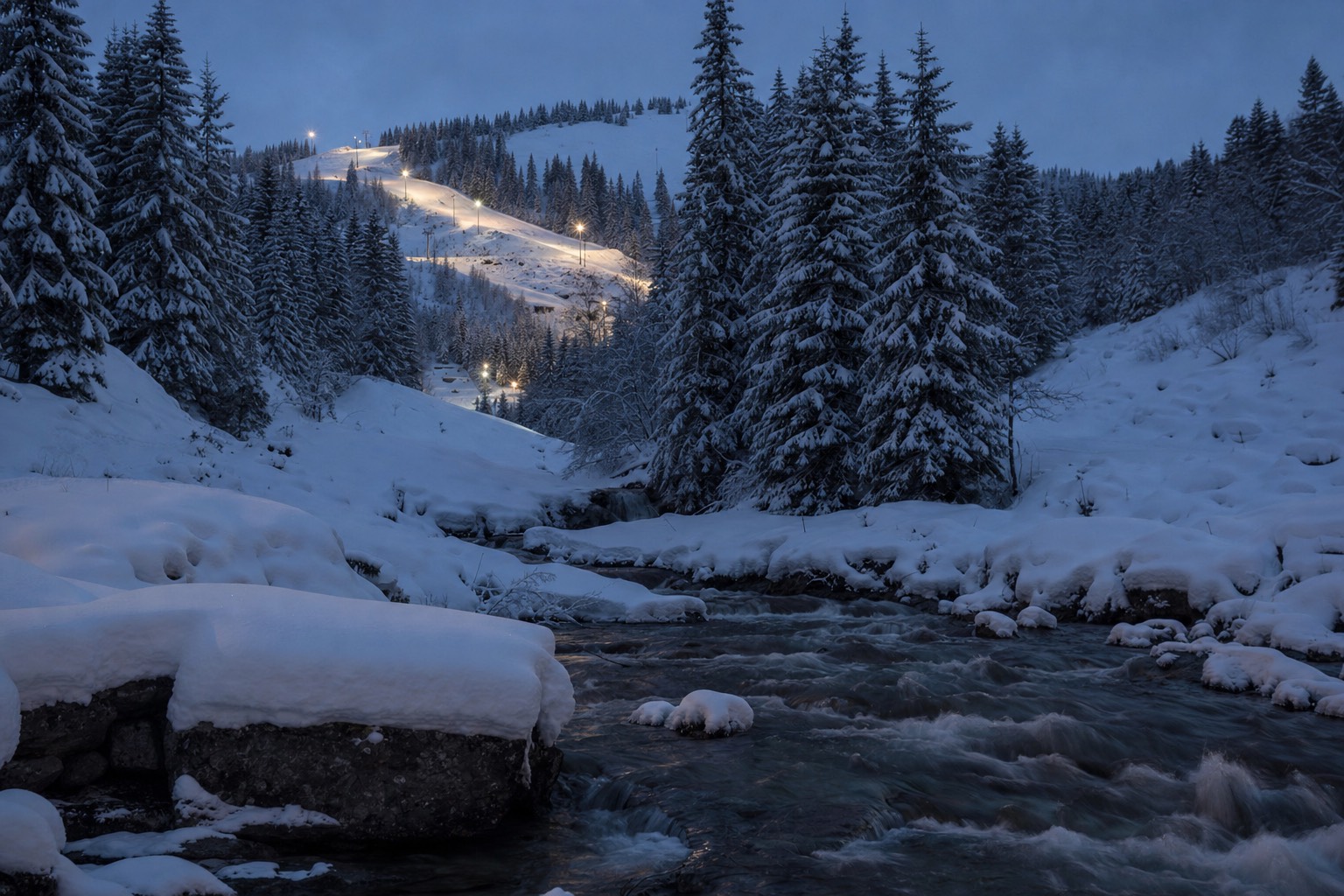
Snow settles on Trysil's pine forest in November, weeks before most Alpine resorts have opened a single chair. The mountains here are low, rounded and wooded, nothing like the granite theatre of Chamonix, and the skiing that happens on them is a different activity in temperament: quieter, family-heavy, floodlit long after dark because the sun has already gone. Norwegians treat winter as a season to be used rather than survived, and the resorts reflect that.
Decide between alpine resort skiing and a guided cross-country introduction. The verified lessons here are in Tromsø, not an alpine holiday package.
Booking choice: The Tromsø beginner lesson includes ski equipment and transport for ages twelve and up; the park lesson accepts ages eight and up. Explore Tromsø Beginner Ski Lesson
Where Do Norwegians Actually Ski?
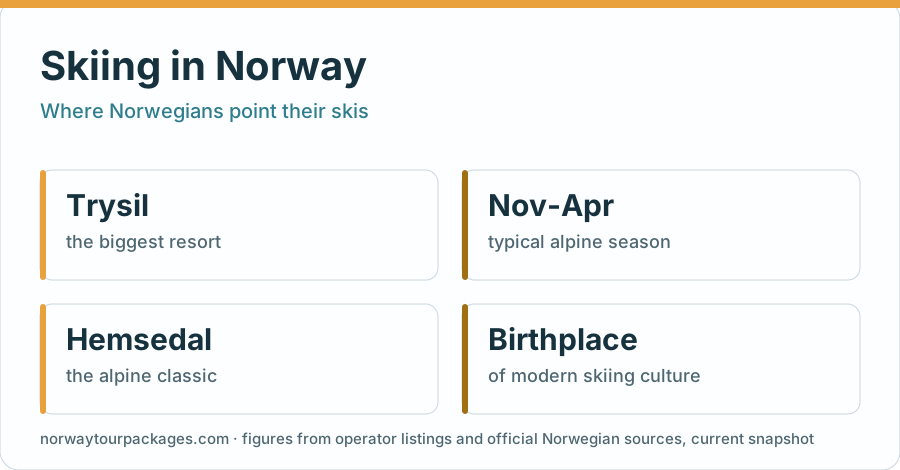
Four resorts carry most of Norway's domestic ski traffic: Trysil, the country's largest, plus Hemsedal, Geilo and Myrkdalen. Trysil and Hemsedal sit within two to three hours of Oslo by road. Geilo sits directly on the Bergen railway line, and Myrkdalen is roughly two hours from Bergen.
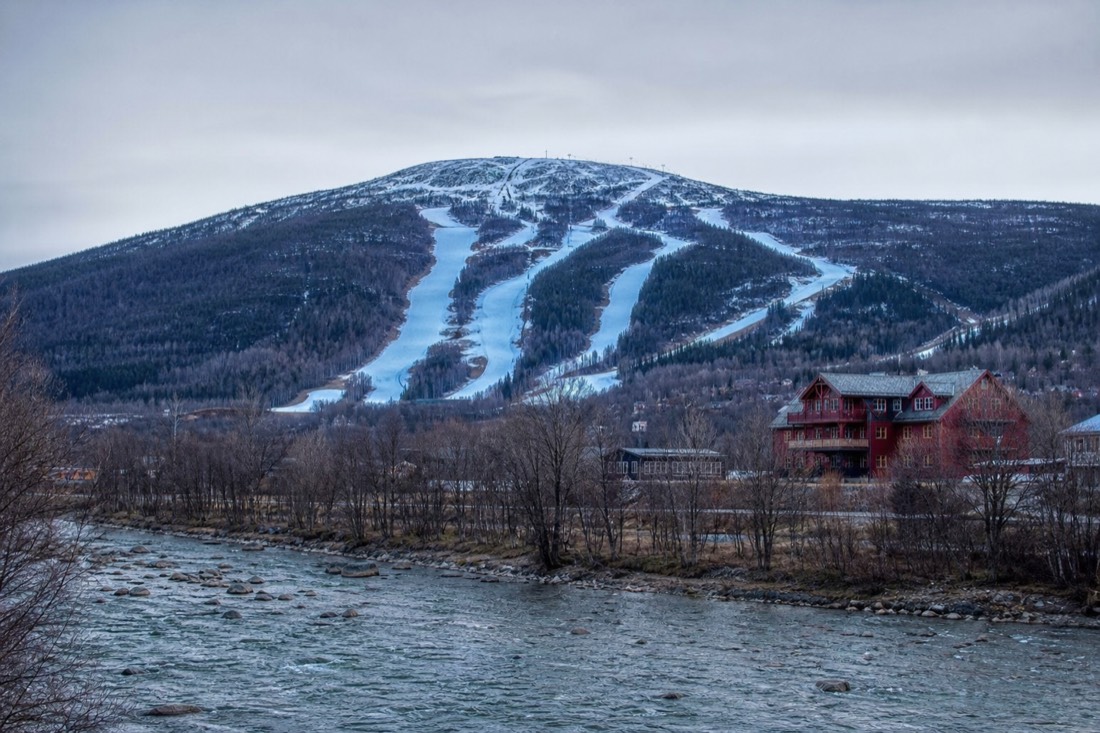
Trysil and Hemsedal are both run by SkiStar, which explains why they feel similar to ski: wide intermediate pistes, strong ski schools, huge cabin villages rather than a single high-rise base. Trysil is the biggest by area and the most family-weighted, with a mountain that faces in every direction so there is almost always a sheltered side. Hemsedal has steeper upper terrain and a reputation among Norwegians as the closest thing the country has to Alpine skiing, which is where the "Scandinavian Alps" nickname comes from.
Geilo is the one you can reach without a car at all. It sits on the Bergensbanen between Oslo and Bergen, a line that runs the full route in around 6.5 to 7.5 hours with Vy, so Geilo works as a stop rather than a detour. Myrkdalen, up above Voss in Vestland, catches heavy coastal snowfall and is the usual answer when someone in Bergen wants deep snow without a long drive. If you are building a wider winter trip, our Norway in winter guide covers how these fit alongside the coast and the Arctic.
| Resort | Nearest gateway | Approximate transfer | Character |
|---|---|---|---|
| Trysil | Oslo Airport, or Scandinavian Mountains Airport | About 2 to 2.5 hours by road from Oslo Airport, under an hour from Sälen-Trysil | Largest area in Norway, family-first, all-aspect mountain |
| Hemsedal | Oslo | About 3 hours by road | Steepest lift-served terrain, strongest après scene |
| Geilo | Oslo or Bergen by rail | Direct stop on the Bergen line | Car-free access, gentle pistes, big cross-country network |
| Myrkdalen | Bergen via Voss | About 2 hours by road | Heavy coastal snowfall, compact modern base |
When Does The Norwegian Ski Season Run?
Opening and closing dates depend on each resort and snow conditions. Trysil typically runs from November into late April. Hemsedal has been selling its 2025-26 season from 6 December, or earlier if snow allows, through to 3 May, giving a genuine five-month window with spring skiing in strong April light.
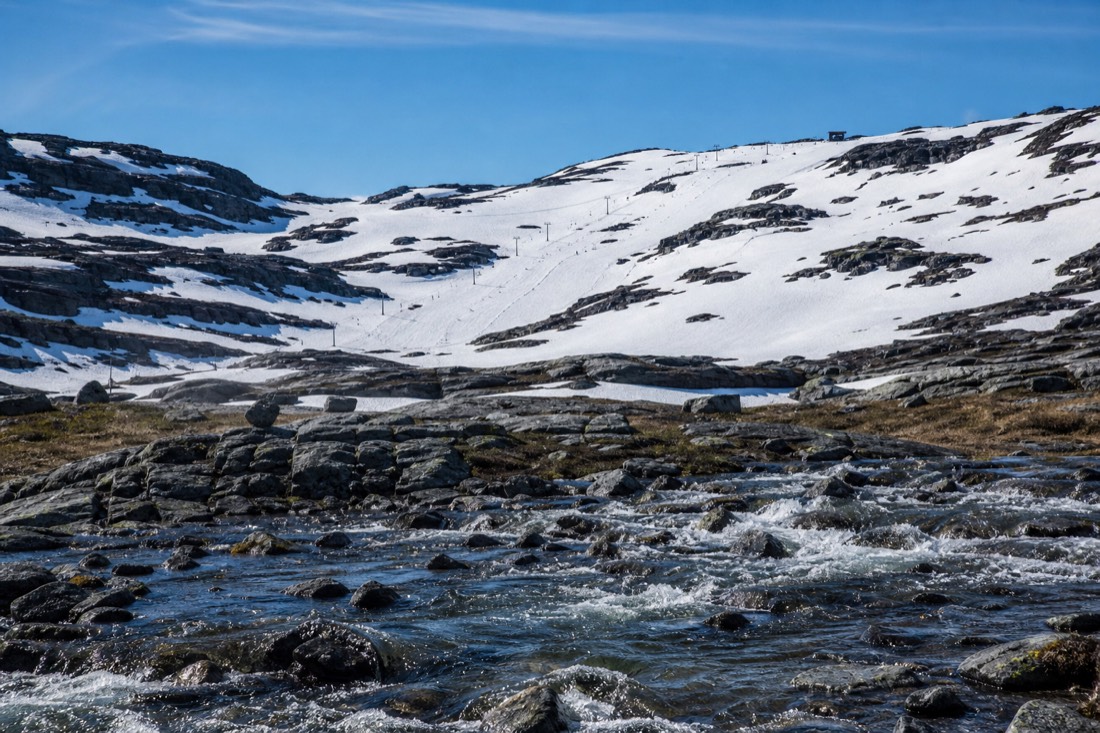
The trade-off is light. December in the southern mountains gives only a few usable daylight hours, which is why floodlit night skiing is standard rather than a novelty here. February brings the winter school holidays and the country's single biggest travel week, and prices and cabin availability move accordingly. March and April are the sweet spot: full snowpack, long days, and slush by afternoon rather than ice.
That late season also opens a combination you cannot make in most of Europe. Aurora activity runs from late September to late March or early April, with March and April statistically among the best months, so a late-March ski week can be paired with a northern leg while the lifts are still turning.
| Month | Snow and conditions | Daylight | Crowd note |
|---|---|---|---|
| November | Early cover, upper runs first, snowmaking heavy | Very short, floodlit skiing standard | Quiet, cheapest lift-and-lodging weeks |
| December | Reliable base by mid-month | Shortest of the year | Christmas and New Year peak pricing |
| February | Deepest snowpack, coldest air | Improving fast | Norwegian winter holiday, busiest weeks |
| March | Full base, stable weather | Long and bright | Popular but manageable |
| April | Spring snow, soft afternoons | Long days, strong sun | Easter peak, then very quiet |
Is Skiing In Norway Cheaper Than The Alps?
Lift passes are broadly comparable to mid-tier Alpine resorts, not cheaper. The earlier high-season Trysil example was 743 NOK; obtain a current dated quote, roughly 65 USD, and a Hemsedal season pass sits between about 9,575 and 10,450 NOK. Food, drink and rental are where Norway costs noticeably more.
The honest picture is that the lift ticket is not the problem. A day pass at Trysil is in the same band as a comparable French or Austrian resort, and Norway's season passes look reasonable next to what they cover, since the Hemsedal season stretches to early May. What lands harder is the on-mountain restaurant bill and the alcohol. Self-catering from a supermarket is the standard Norwegian answer, and it is why almost every resort is built around cabins with kitchens rather than hotels with half board.
Rental and lessons are also priced at Norwegian labour rates. If you have your own boots, bring them.
| Cost line | Typical Norway position | Practical move |
|---|---|---|
| Adult day lift pass | Around 743 NOK at Trysil in high season | Buy multi-day or season passes online in advance |
| Season pass | About 9,575 to 10,450 NOK at Hemsedal | Worth it from roughly two weeks of skiing |
| On-mountain lunch | Well above Alpine equivalents | Pack lunch, or eat the main meal at the cabin |
| Beer and wine | Highest cost line for most groups | Bring your duty-free allowance in from the airport |
| Cross-country trail access | Usually free on public groomed trails | No ticket needed, only gear |
Why Is Cross-country The Real National Sport?
Alpine resorts are the visible half of Norwegian skiing. The larger half is cross-country: hundreds of kilometres of groomed track around Oslo, Geilo and Trysil, much of it free to use and some of it floodlit, treated less as a holiday activity and more as ordinary winter transport and exercise.
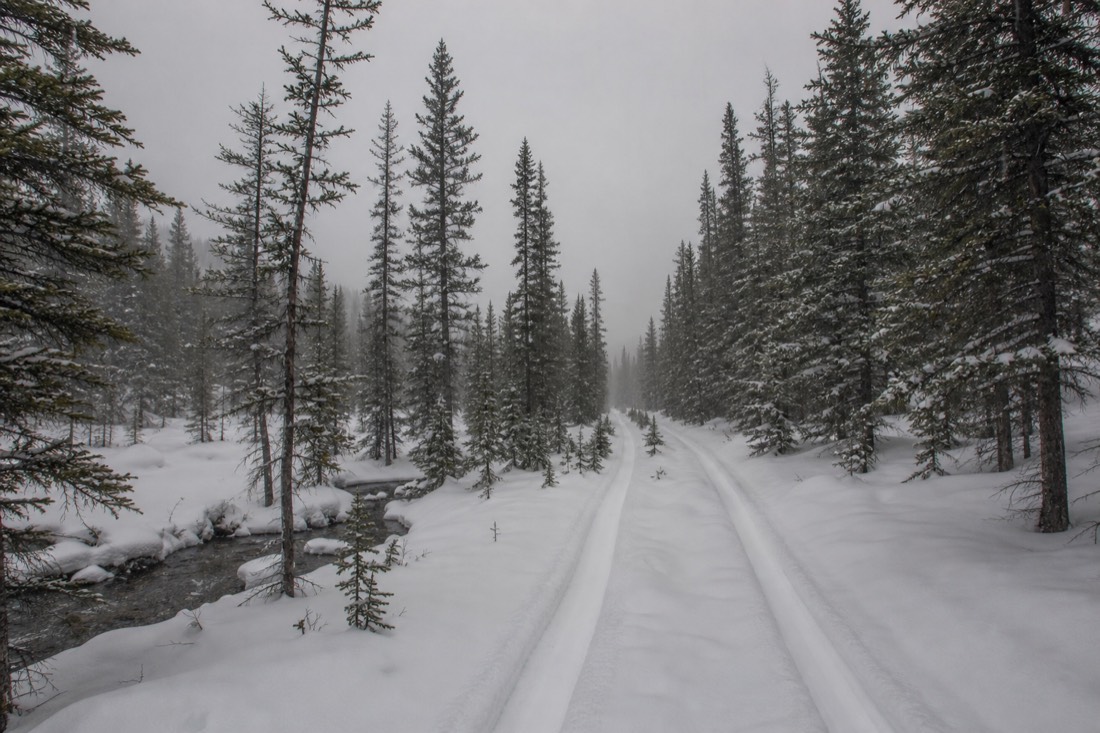
Oslo's Nordmarka is the clearest example. The forest north of the city is laced with groomed trails reachable on the metro, and on a February Sunday the trains out to Frognerseteren carry more skis than passengers without them. Norway's right-to-roam tradition means the trails are public, so the cost of entry is gear and nothing else. Rental shops in Oslo, Geilo and Trysil all handle classic-style kit for beginners.
For visitors, this matters in two ways. First, it is the cheapest skiing in an expensive country. Second, it changes what a "ski trip" can look like: a few resort days plus track days from a town base, rather than a week tied to one lift system. Visit Norway keeps regional trail information current, and most municipalities publish grooming reports through the winter.
| Comparison point | Alpine at a resort | Cross-country on public trails |
|---|---|---|
| Ticket needed | Yes, daily or season pass | Usually none |
| Gear cost | Higher, rental widely available | Lower, light kit |
| Learning curve | Fast on wide blue pistes | Slower balance, easier fitness entry |
| Best bases | Trysil, Hemsedal, Myrkdalen | Oslo, Geilo, Trysil, Lillehammer area |
| Typical day | Lift-served laps, lunch on mountain | Point-to-point tracks, hut coffee stops |
Can You Ski And See The Northern Lights On The Same Trip?
Not reliably at the southern resorts. Trysil, Hemsedal and Geilo sit around 60 to 61 degrees north, where aurora appears only during strong geomagnetic activity. The Arctic offers a longer viewing season, without dependable sightings, which means adding a Tromsø leg rather than expecting the lights above the pistes.
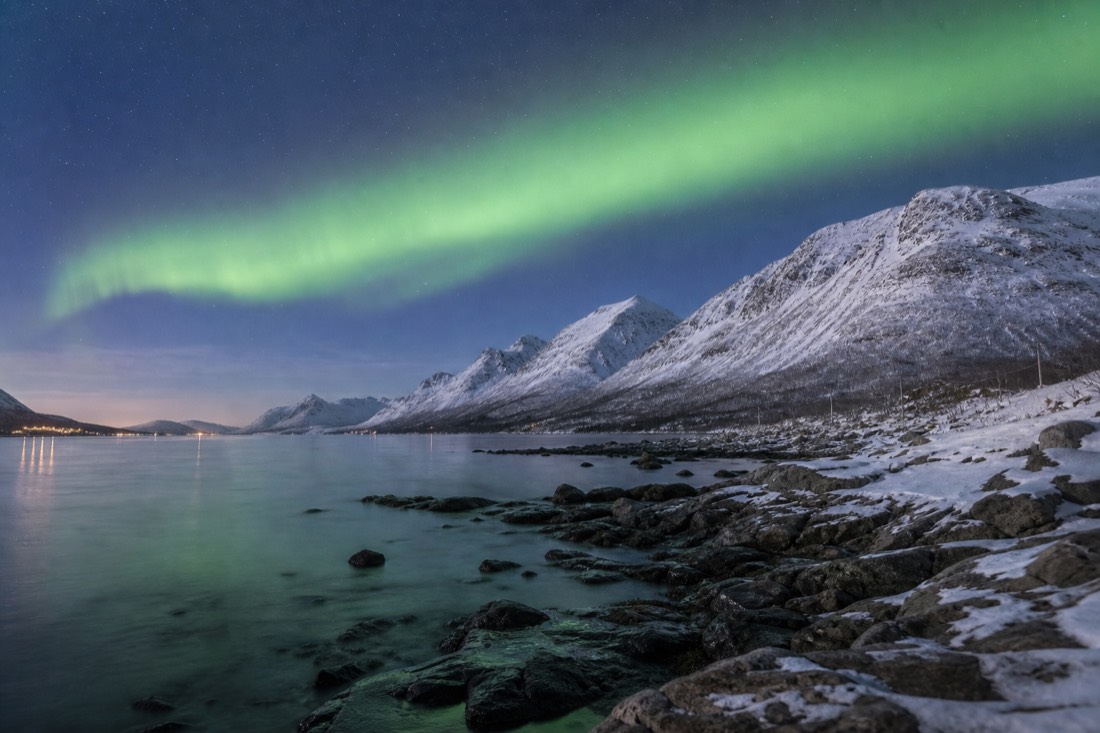
The geometry is simple. The aurora oval sits over northern Norway on ordinary nights and only pushes south over the ski belt when activity spikes. The season itself runs from late September to late March or early April, is never guaranteed on any single night, and solar activity varies and does not predict a particular night. That makes a two-part winter a genuinely good structure: snow in the south, lights in the north.
Cross-country trail conditions are reported the same way and are just as reliable, which makes it easy to switch between downhill and trail days based on what the snow is actually doing.
Conditions reports are published daily by the resorts and are reliable, so a flexible booking lets you follow the snow rather than commit months ahead.
Ski hire and lift tickets can generally be arranged on arrival outside the Norwegian holiday weeks, so the trip needs less advance booking than an equivalent Alpine week would.
Getting there is simpler than Alpine skiing for many travellers. Several Norwegian ski areas sit within a couple of hours of an international airport by train or bus, with no long transfer coach and no mountain-road driving in winter conditions. For a short trip that saved half-day at each end is worth more than a few extra pistes.
Related planning: multi-day Norway packages, 2026 northern lights timing notes.
How Does Norwegian Skiing Differ From The Alps?
Lower altitude, smaller vertical, better cross-country and a completely different culture. Norwegians ski as transport and recreation on flat tracks as much as downhill, and the resorts are family-scaled rather than the vast linked systems of France or Austria.
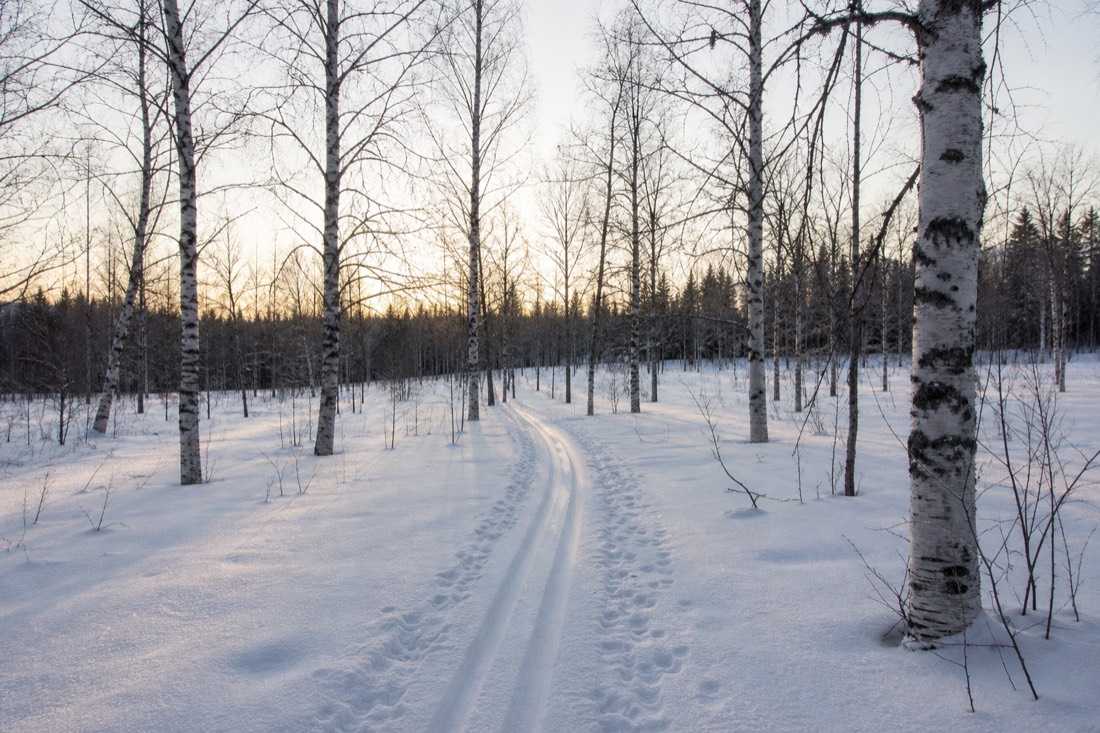
Arriving with Alpine expectations is the main source of disappointment. Norway's mountains are old and rounded, its resorts are compact, and the national obsession is with cross-country trails rather than lift-served descents.
| Norway | The Alps | |
|---|---|---|
| Vertical drop | Modest | Large |
| Resort scale | Compact, family-oriented | Vast linked areas |
| Cross-country | Exceptional, everywhere | Secondary |
| Culture | Skiing as everyday activity | Skiing as a holiday product |
| Crowds | Light outside Norwegian holidays | Heavy in season |
| Cost | High for food and drink | Lift passes higher, food cheaper |
Equipment hire is straightforward and cheap by Norwegian standards, and instruction is widely available. Cross-country technique genuinely repays a lesson rather than being worked out alone: a couple of hours of coaching turns an exhausting shuffle into something you can keep doing all afternoon.
Costs behave differently here than in the Alps. Lift-pass prices need a like-for-like dated comparison, while food, drink and accommodation are more expensive, so the week lands in a similar bracket with the money distributed differently. Self-catering swings a Norwegian ski budget further than the choice of resort does.
The cross-country row is the one to take seriously. If you have never done it, Norway is the best place in the world to start, and it is where most of the country actually is on a winter weekend.
How Much Daylight Do You Get On The Slopes Each Month?
Far less than the Alps in midwinter and more in spring. A December day in the southern mountains offers only a few usable hours, which is why floodlit night skiing is standard here rather than a novelty. By April you are skiing in strong, long light.
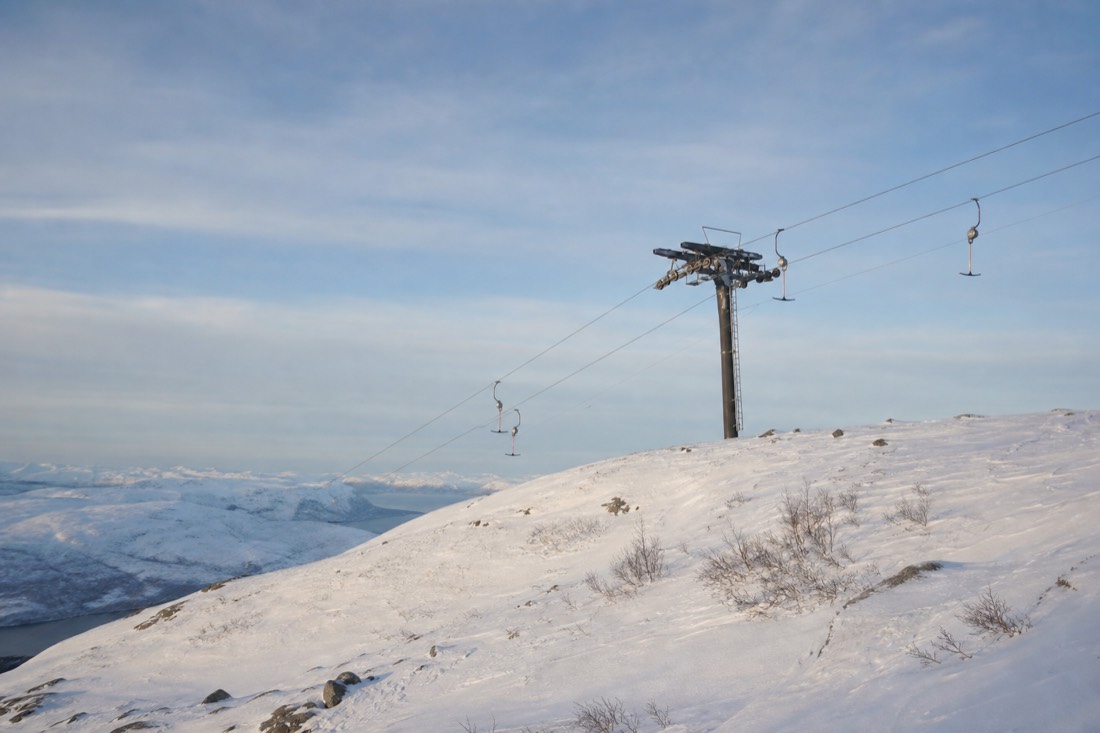
Snow reliability is generally good at the main areas through the core months, helped by latitude rather than altitude.
Snow reliability is rarely the problem in Norway; usable hours are. Skiers arriving from lower latitudes plan a full day on the mountain and discover the lifts are closing while it still feels like early afternoon.
| Month | Usable daylight on the slopes | What compensates |
|---|---|---|
| December | Only a few hours in the south | Floodlit night skiing is standard |
| January | Short, lengthening steadily | Quiet slopes, lower prices |
| February | Noticeably longer | Full snowpack; also the busiest holiday weeks |
| March | Long | Best combination of light and snow |
| April | Long and bright | Spring conditions, soft afternoons |
Night skiing is the part visitors dismiss and then enjoy most. Floodlit pistes are ordinary here, they extend a short December day by several hours, and skiing under lights with snow falling through the beams is a genuinely different experience from anything the Alps schedule.
How Do You Fit Aurora Nights Around Ski Days?
Alternate them rather than stacking them. Chases return in the small hours, so pairing every ski day with an aurora night produces two days of exhaustion. Ski, chase, rest, repeat is the pattern that actually works across a week.
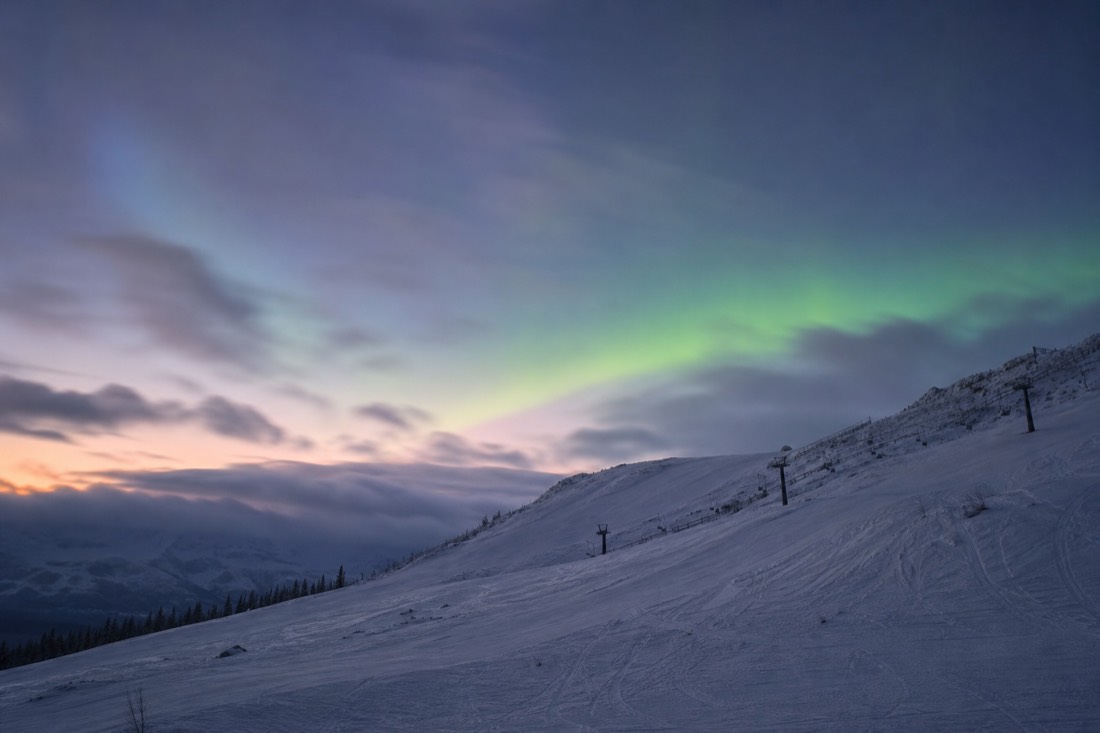
This pairing works because the two activities use different halves of the day and the same weather window. A clear cold spell is good for both, which is not true of most activity combinations.
| Element | How it fits |
|---|---|
| Daytime skiing | Uses the short daylight hours efficiently |
| Evening aurora chase | Starts after the lifts close |
| Shared weather | Clear cold days suit both |
| The catch | Chases run late; early lifts the next day are hard |
| Best base | Northern Norway, under the auroral zone |
| Best months | February and March, for snow and light together |
Booking accommodation with drying facilities matters more here than in most ski destinations, given how wet coastal snow can be.
The catch row is real. Alternate the days rather than stacking a full ski day onto every aurora night, or the trip becomes an endurance exercise.
How Do You Match A Ski Area To What Else You Want That Week?
Let the second activity choose the region. If you want aurora, ski in the north. If you want the biggest lift network and the simplest transfer, stay south. If you want cross-country above all, almost any inland town will do, which is a genuinely unusual amount of freedom.
Choosing a Norwegian ski destination is less about vertical statistics than about what else you want in the week, because the skiing itself is more evenly distributed here than in the Alps.
| Trip type | Where to look | Why |
|---|---|---|
| Downhill focus, easy transfer | The larger resorts within reach of Oslo | Best lift networks, simplest logistics |
| Ski plus northern lights | Northern Norway | Under the auroral zone; short transfers |
| Cross-country first | Almost any inland town | Vast prepared trail networks |
| Family, gentle terrain | Family-scaled resorts | Compact, less intimidating |
| Spring skiing | Higher areas, April | Longer days, softer snow |
| Ski touring | Lyngen and the northern peaks | Serious terrain; guide recommended |
Many trails are free to use and open to anyone who turns up with skis.
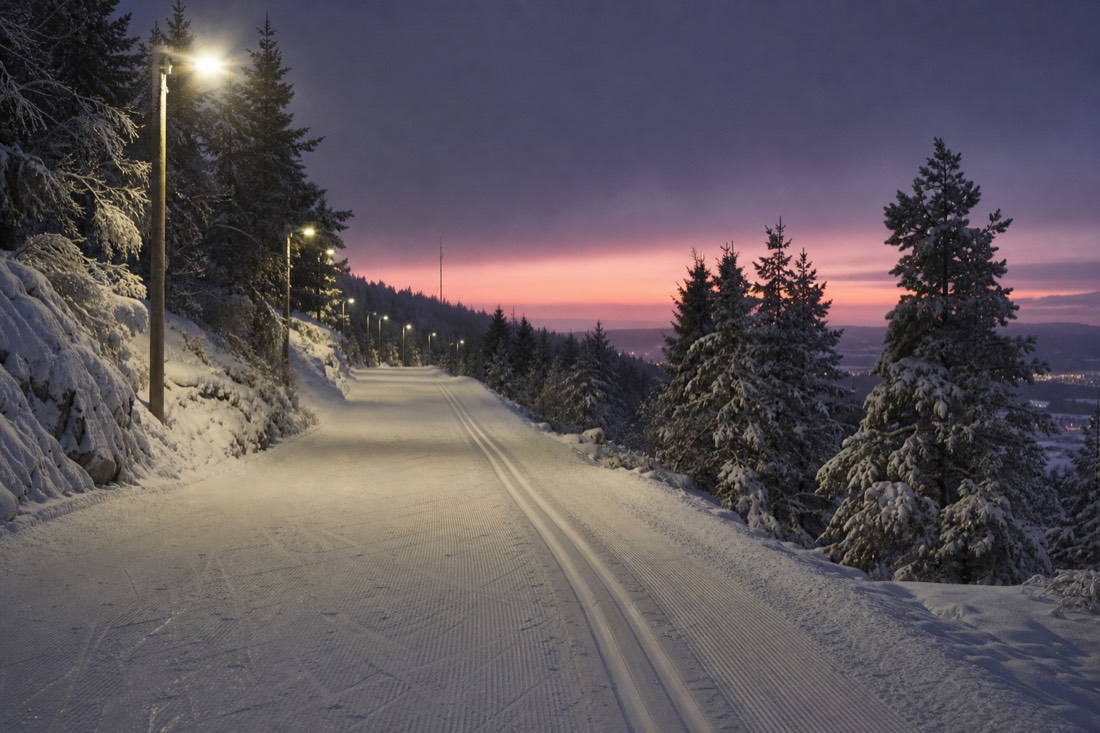
The cross-country row deserves more attention than international visitors give it. Norway's prepared trail networks are enormous, free to use, and lit in places for winter evenings, which is a category of skiing that barely exists elsewhere at this scale.
If your trip is short and the aurora matters, take the northern option and accept smaller downhill terrain. If the skiing itself is the point, stay south and treat the northern lights as a separate trip.
What Should You Actually Book First?
Book accommodation before lift passes. Norwegian resorts are cabin-based, inventory is finite, and the February school holiday and Easter weeks sell out months ahead. Passes can be bought online later, usually at a discount over the ticket window, and gear rental is the last piece.
The booking order that works: cabin or apartment first, transfer or rental car second, passes third, rental gear last. Cars matter more here than in the Alps, since resort villages are spread out and the supermarket may be a drive away. A US licence is valid for tourist stays of up to three months, though winter tyres and a cautious approach to unlit mountain roads are non-negotiable.
Pack for cold that is damp on the coast and dry inland; our Norway packing guide covers the layering system and what the customs desk will and will not let through. And if the trip is really about the mountains rather than the lifts, the resorts double as summer bases, which is a different article entirely.
Choose Your Norway Experience
Cross-Country Ski Lesson for Beginners in Tromso. Learn cross-country skiing with an instructor, ski equipment and transport from central Tromsø. Have a date in mind? Check it before arranging the rest of your Norway trip.
3 hours. Ages 12+. Meet at Tromsø Outdoor, Fredrik Langes gate 14. Send your EU shoe size when booking. Winter clothing and hotel pickup are not included; inadequate snow may mean an alternative or refund.
Choose a date to see scheduled departures. Final availability and price are confirmed on Viator.
No verified experience fits those requirements. Adjust your choices, or keep the independent plan described above.
Compare Options And Fit Your Plans
General recommendation until you choose. Choose the city where the activity starts, not your arrival airport. Month filters describe the experience’s season, not confirmed departures. Allow travel to the meeting point as well as the listed duration. Confirm your exact option and access needs when booking.
- Tromsø Cross-Country Ski Adventure: 2 hours 30 minutes. Try cross-country skiing with a guide, skis, boots and poles at Charlottenlund. Ages 8+. Meet at Charlottenlund activity-park parking area. Hotel pickup is not included. Bring winter clothing and confirm snow conditions for your date.
- Tromsø Northern Lights Chase We Go Where The Lights Appear: 9 hours. Follow a guide and photographer away from Tromsø in search of clearer northern-lights skies. Choose the English Classic coach option shown by this schedule. Six to nine hours; up to 45 guests, toilet, photographer and hot drinks. Arrive 30 minutes before departure at your ticket meeting point. Thermal suits, boots and meals depend on the option; confirm before packing. Aurora sightings are not guaranteed.